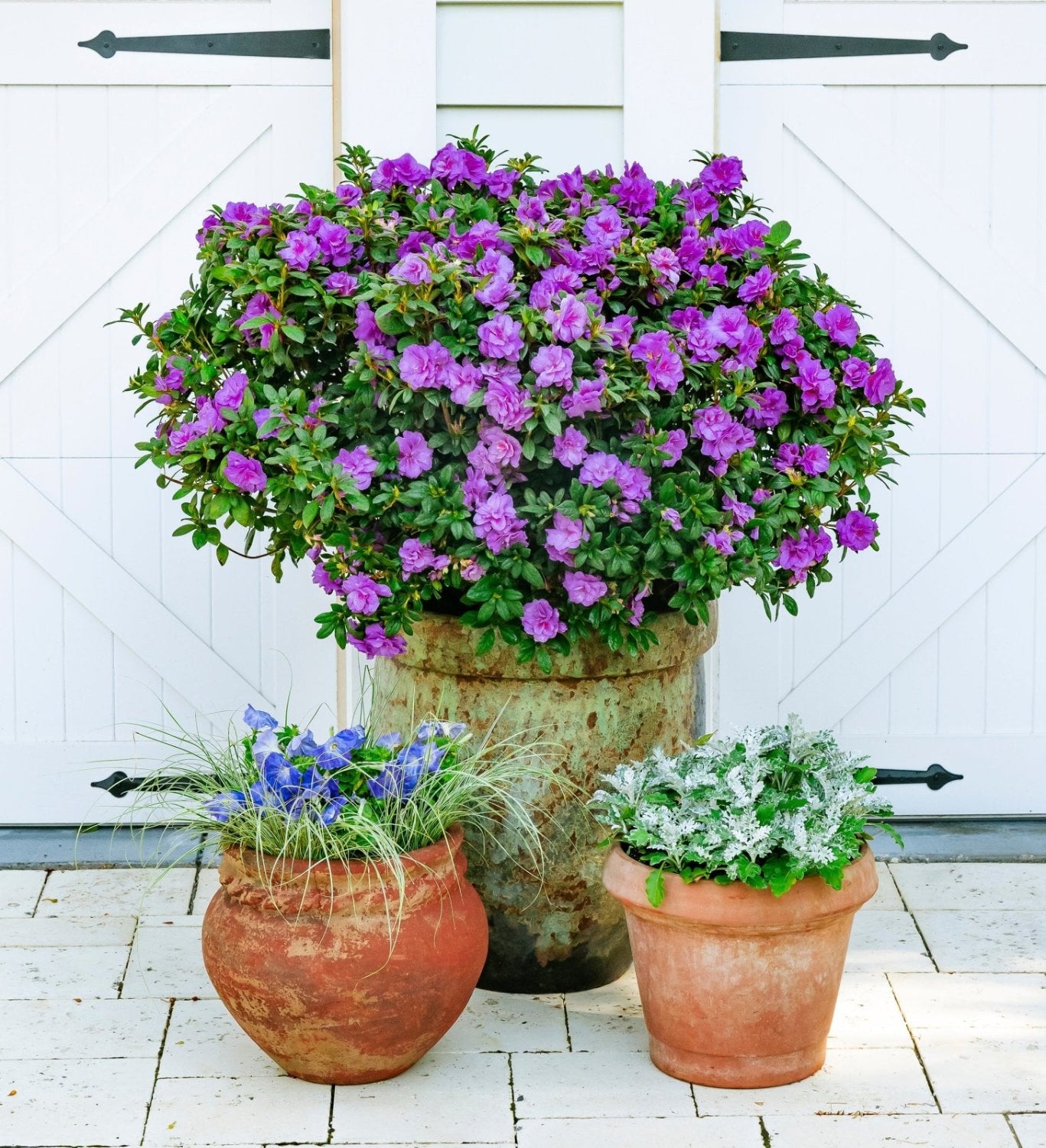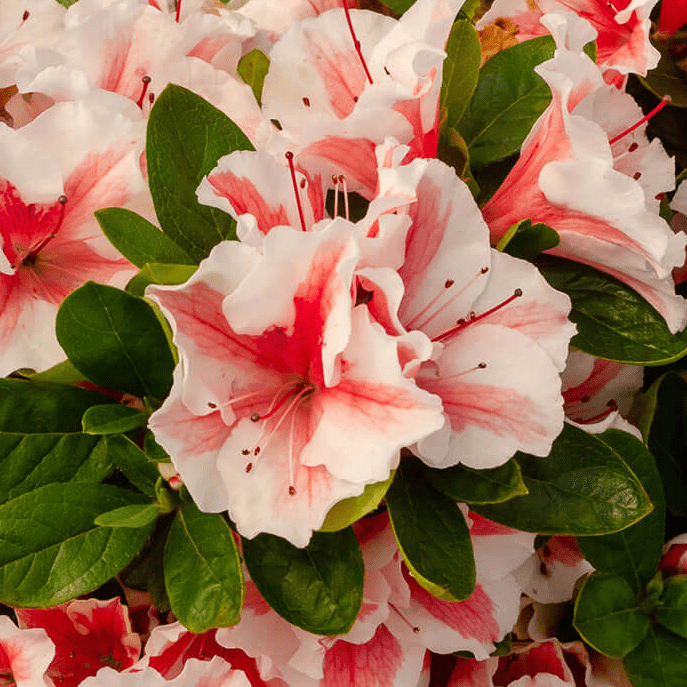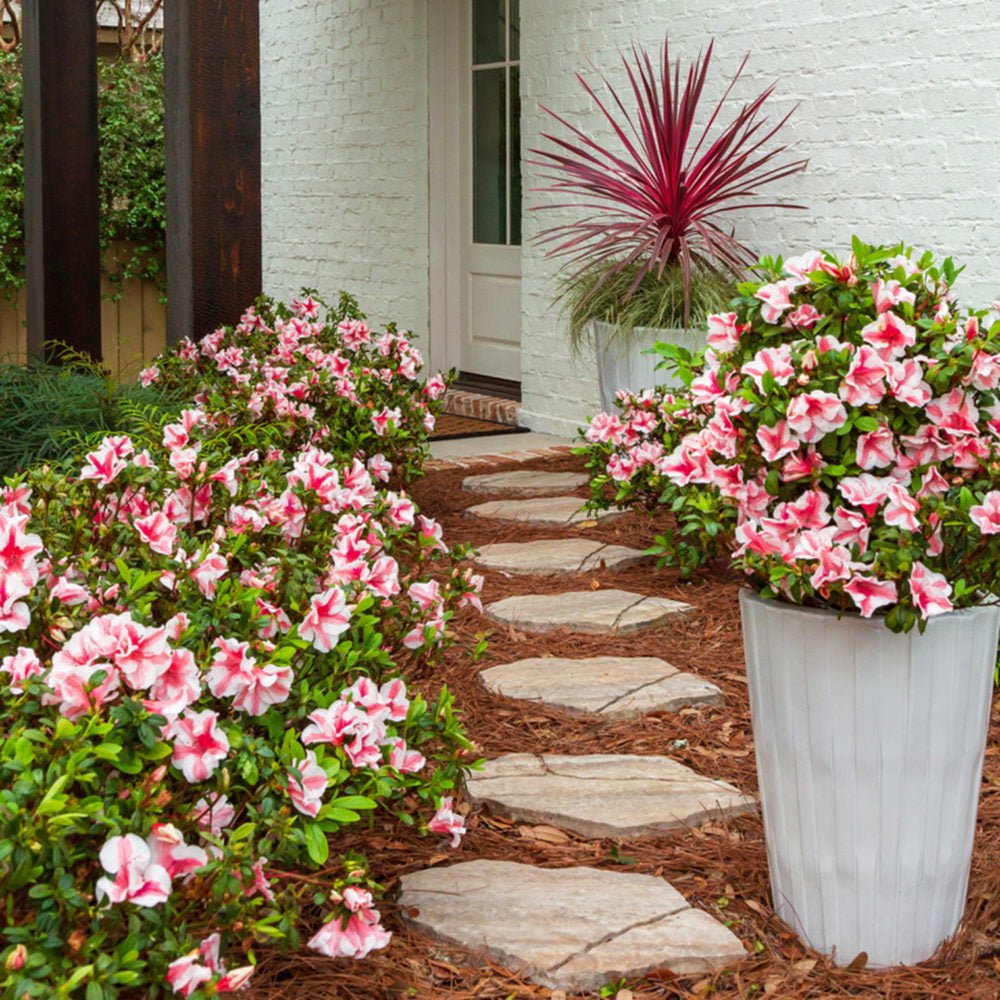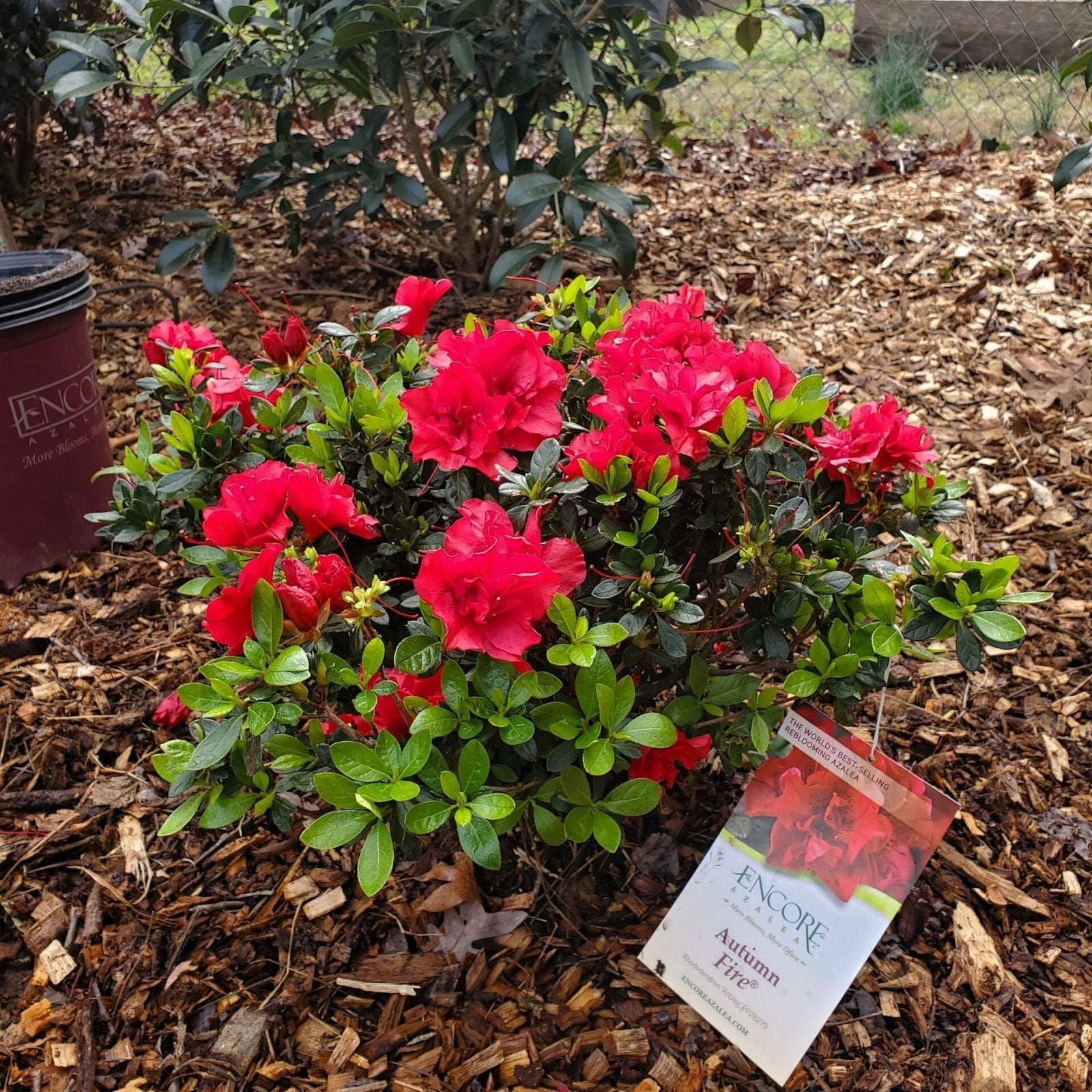
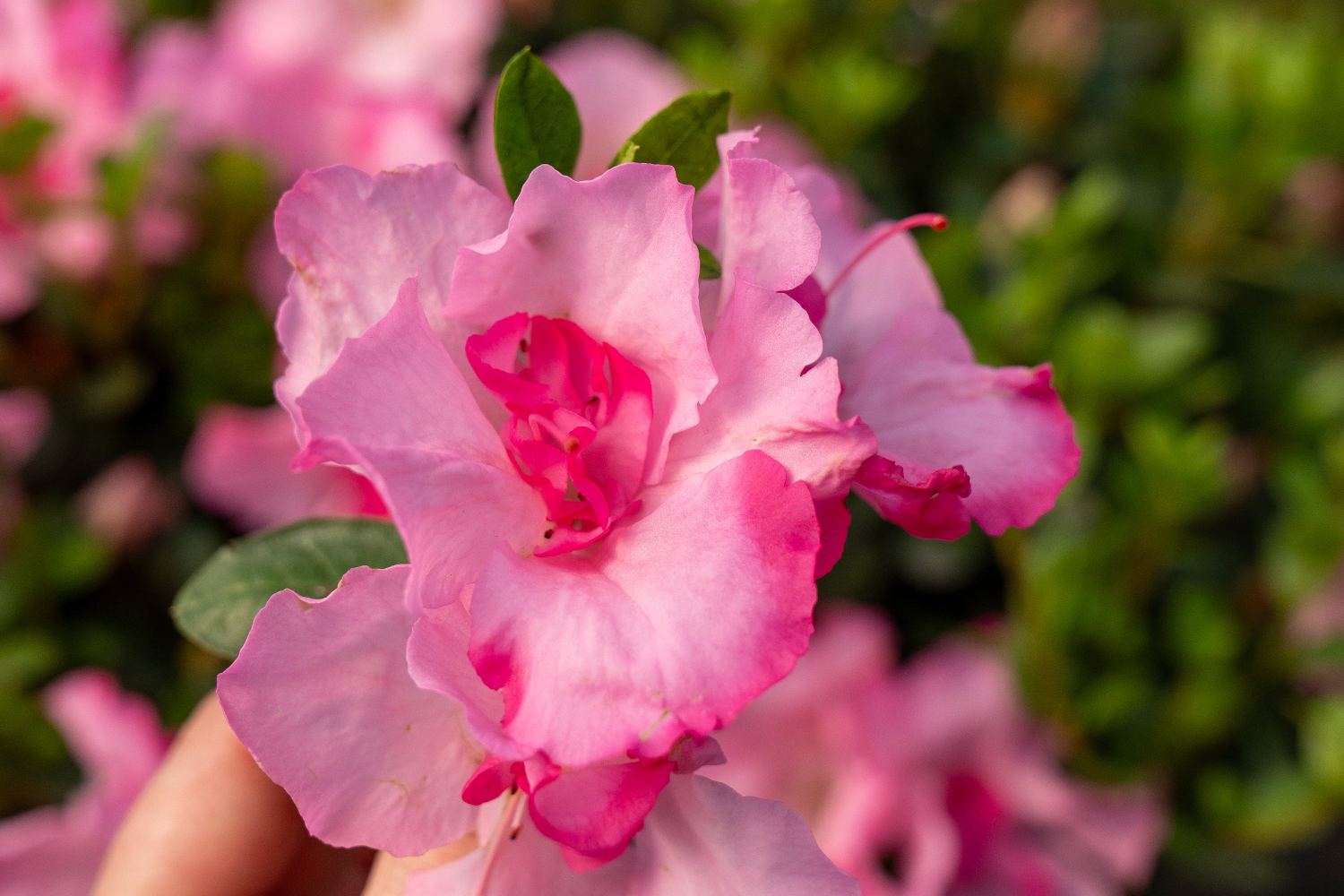
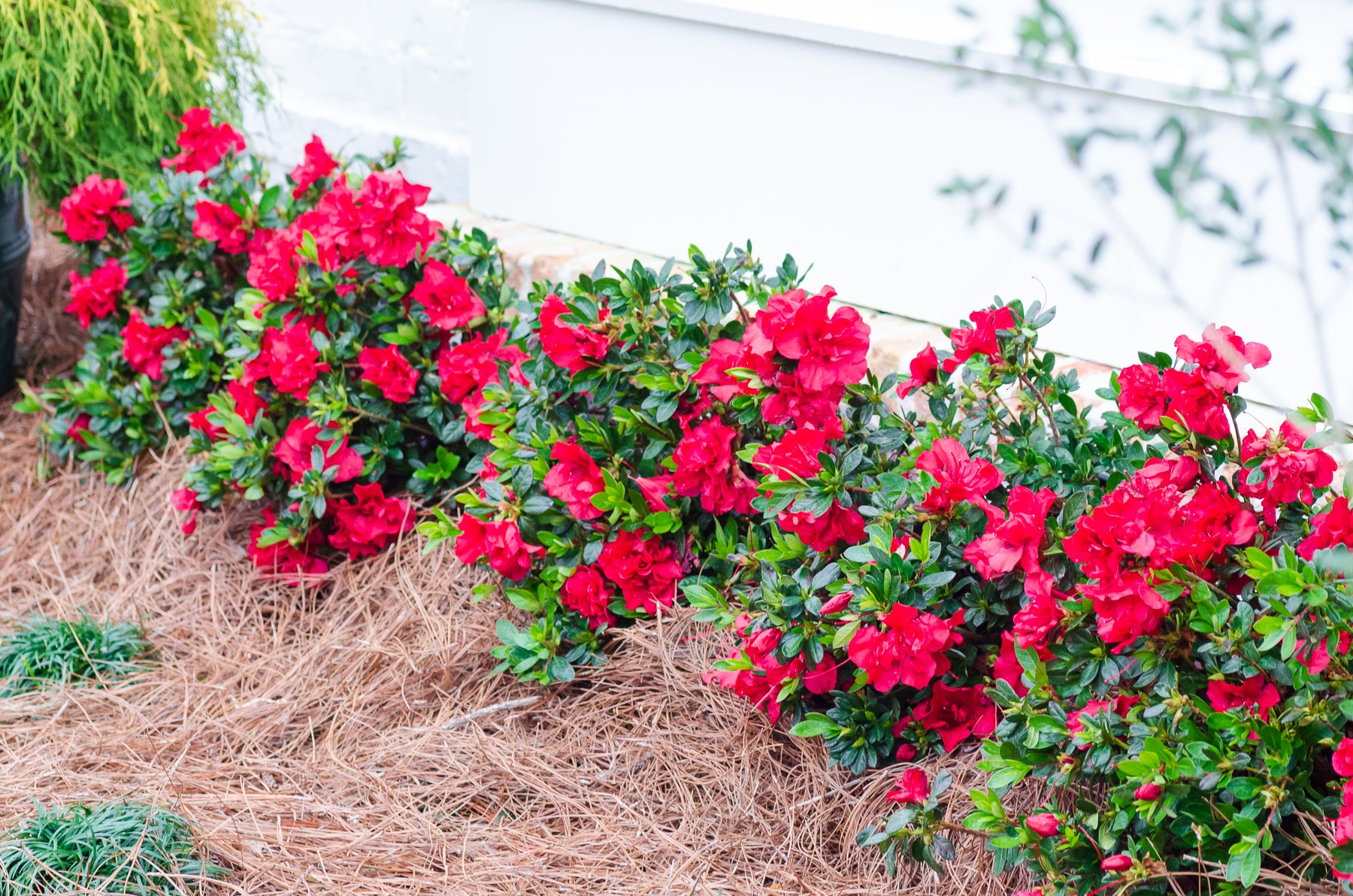
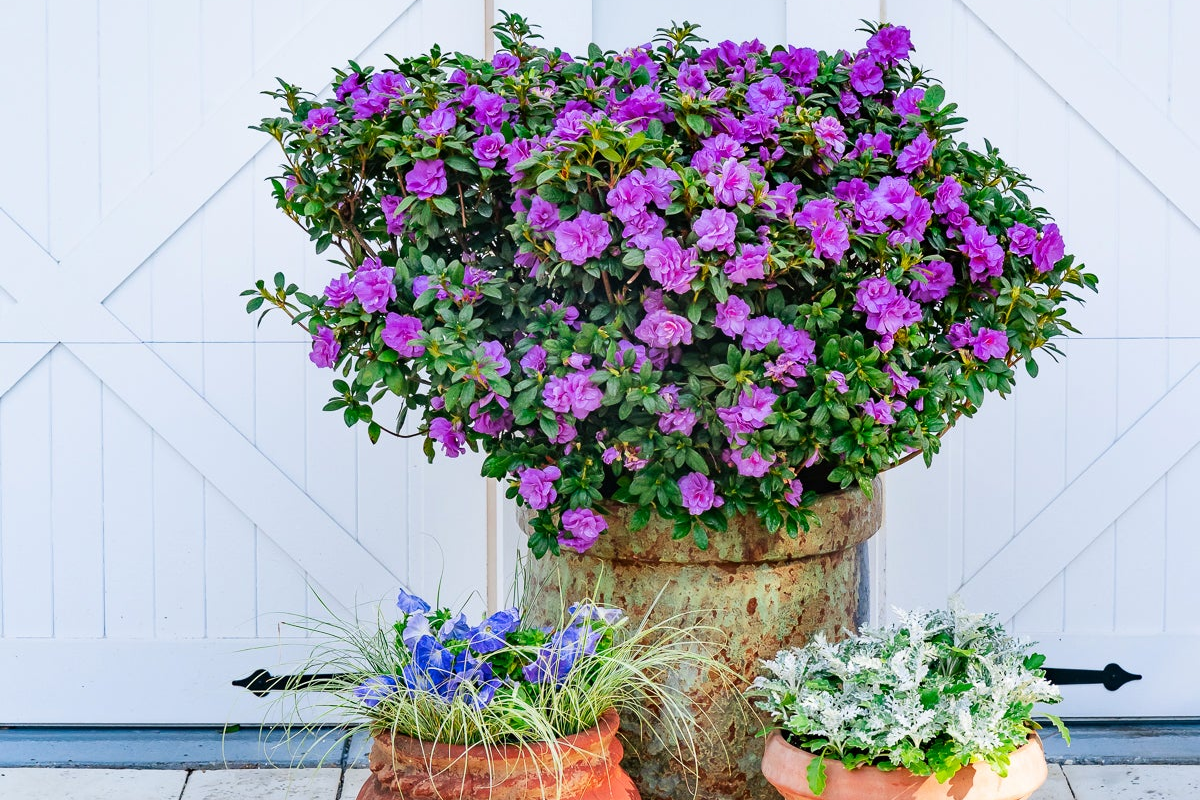
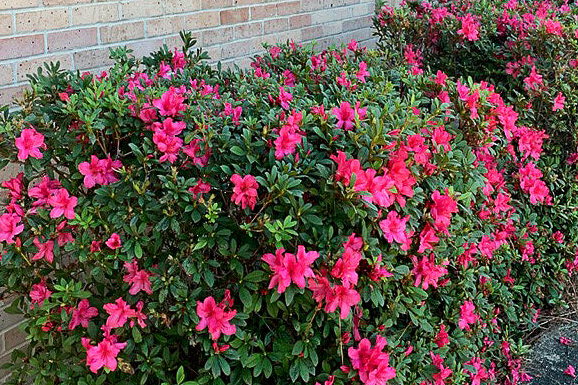

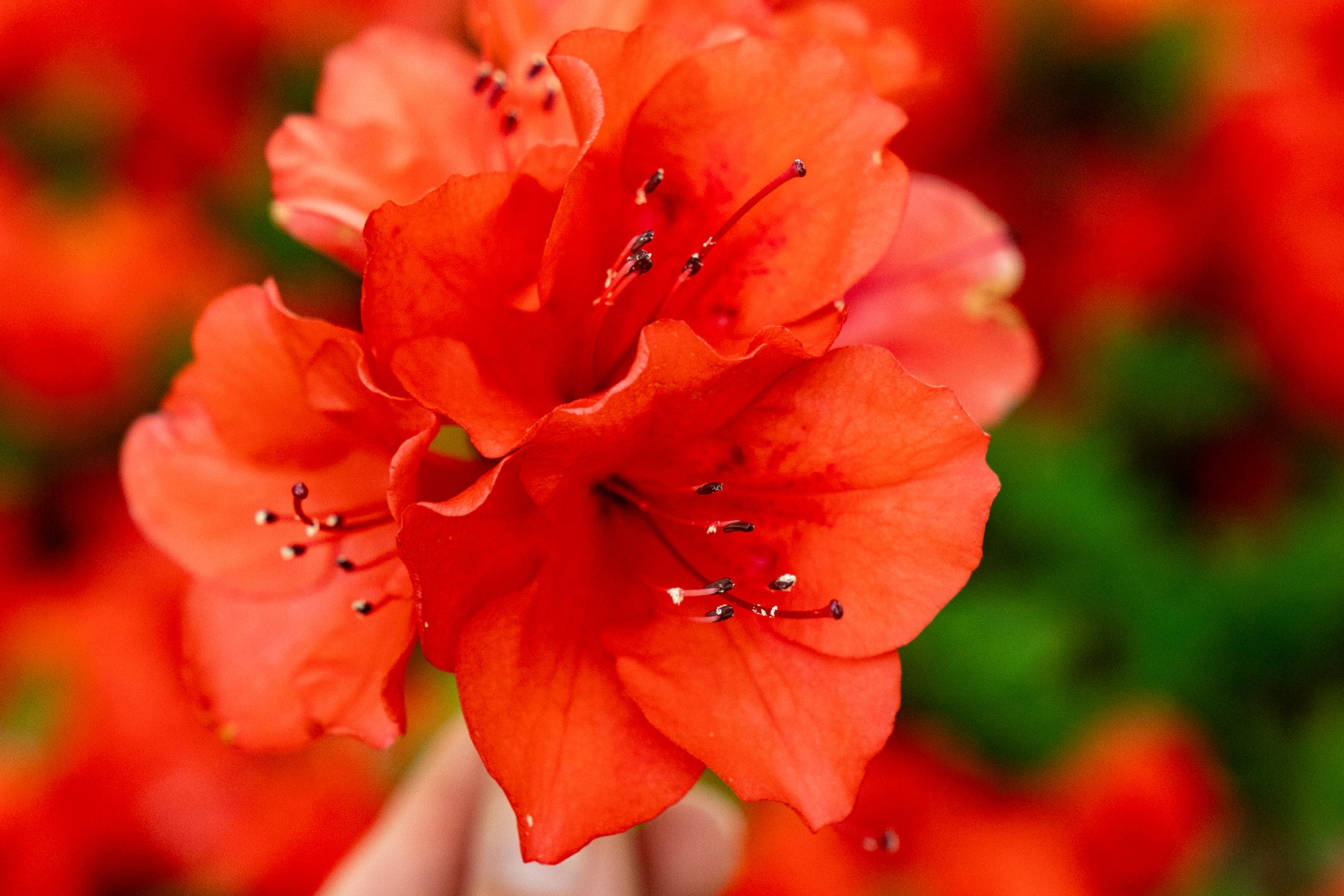
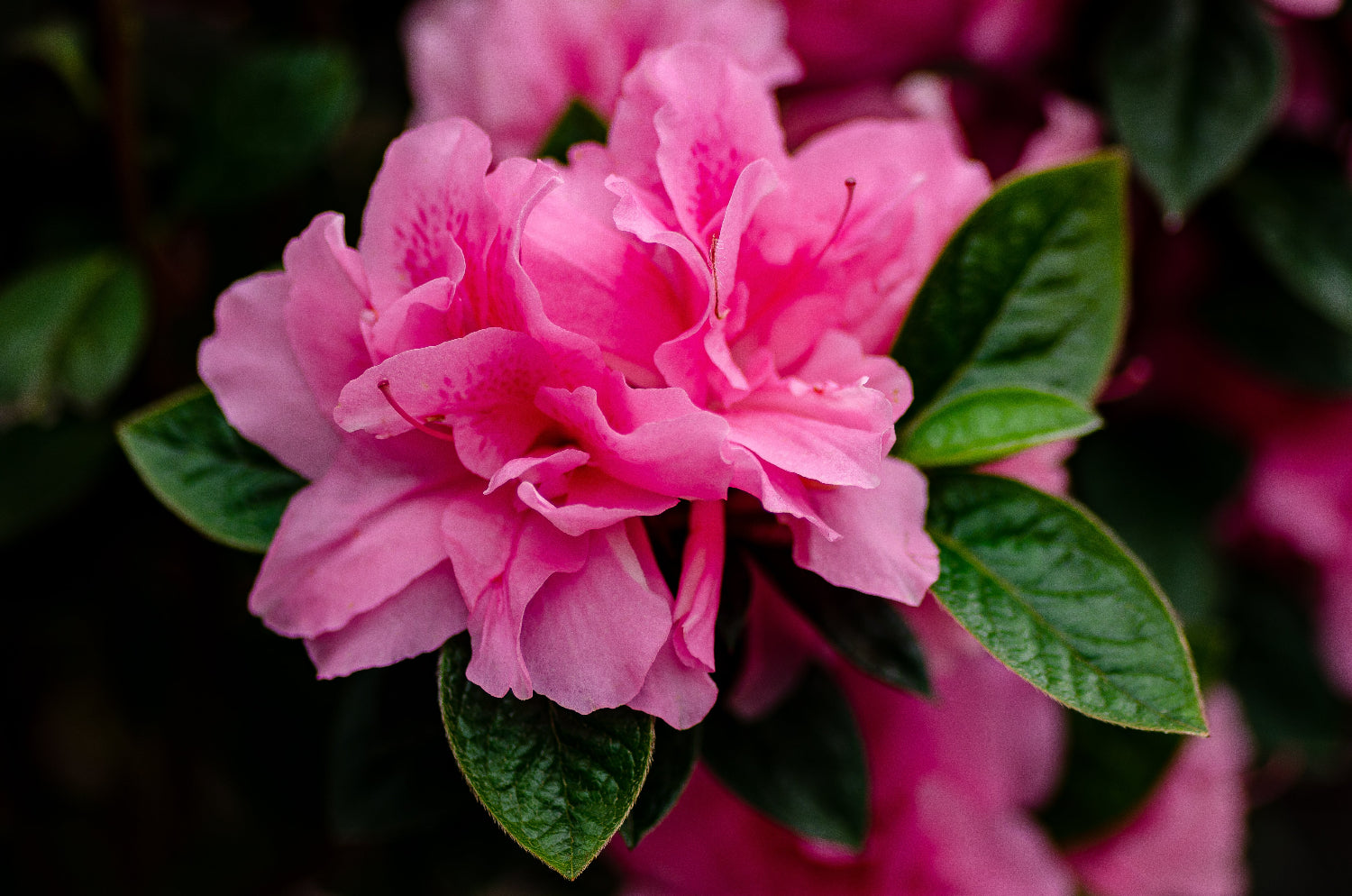
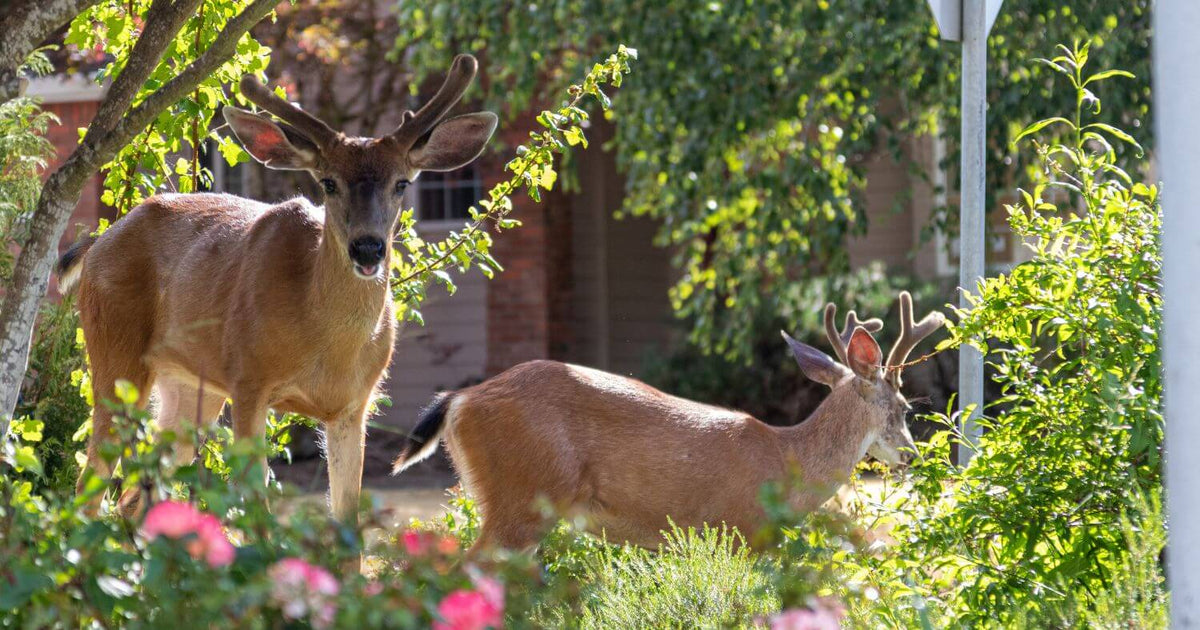
Discovering deer damage can be frustrating, especially when carefully maintained shrubs lose their foliage, buds, or flowers overnight. Although azaleas are not always a deer’s first choice, they may be browsed when natural food sources are limited. Fortunately, a combination of deterrents and physical barriers can help protect Encore Azaleas from future damage.
Do Deer Like Azaleas?
Deer may eat azaleas, but their interest varies by location and season. The amount of available forage, local deer population, weather, and established feeding patterns can all affect what they browse. An azalea that has been untouched for years may suddenly attract attention during a drought, a harsh winter, or a period of heavy deer activity.
The most appealing parts are often the most tender:
- New leaves and stems
- Developing flower buds
- Open blooms
- Soft branch tips within reach
Newly planted azaleas deserve particular attention. They have smaller root systems and fewer stored resources than established shrubs, which can make it harder for them to recover from repeated browsing. Because deer may remove flower buds without causing permanent harm to the plant, damage can also reduce an upcoming bloom cycle even when the shrub otherwise appears healthy.
Are Azaleas Deer Resistant?
No. Azaleas are generally not classified as deer-resistant plants, and no azalea should be considered deer-proof. Encore Azaleas may also be browsed when deer visit the landscape.
The term deer resistant is relative. It describes a plant that deer are less likely to select when other food is available, not one they will always avoid. Deer may sample almost any landscape plant when preferred forage is limited or competition for food is high.
This does not mean gardeners in deer-prone areas have to avoid Encore Azaleas. It means their placement and protection should be considered before planting. Start preventive measures early if deer regularly cross the property, especially when azaleas are planted near woodland edges or known travel routes.
When Deer Damage Is Most Likely
Deer can browse azaleas throughout the year, but the risk may increase when:
- Tender growth appears in spring
- Flower buds and blooms are present
- Shrubs are newly planted
- Drought, cold or deep snow limits other food
- Deer have already established a feeding route through the garden
Once deer repeatedly feed in an area, they are more likely to return. Regular monitoring and early protection can keep occasional browsing from becoming an established pattern.
How to Tell if Deer Are Eating Your Azaleas
Missing foliage or flowers does not automatically confirm deer damage. Examine the plant and surrounding area for several signs:
- Rough, torn, or shredded branch tips
- Missing buds, blooms, and foliage at deer height
- Hoofprints or droppings nearby
- Damage that appears between garden checks, often overnight
Deer do not have upper incisors, so they grasp and tear vegetation instead of clipping it cleanly. Rabbits and rodents are more likely to leave neat, angled cuts lower on the plant. If the cause remains unclear, your local Cooperative Extension office can help identify the type of wildlife or pest damage.
How to Keep Deer From Eating Azaleas
A combination of deterrents is often more effective than relying on a single method. Deer may become accustomed to familiar sounds, smells, or objects, so rotating your approach can help keep them cautious.

Use Motion-Activated Deterrents
Motion-activated sprinklers, lights, and noisemakers may discourage deer by creating an unexpected response when they approach. These devices are most useful before deer become comfortable feeding in the area. Reposition them periodically because deer can learn to ignore a deterrent that never changes.

Apply Deer Repellent Before Browsing Begins
Deer repellents use scent, taste, or both to make plants less appealing. Choose a product labeled for use on ornamental shrubs and apply it according to the directions. New growth is unprotected until treated, and rainfall can reduce the effectiveness of some products, so follow the label's reapplication schedule.
Rotating repellent types may help limit habituation. Homemade remedies containing ingredients such as garlic, eggs, or soap are often suggested, but their effectiveness can be inconsistent or untested. Products formulated for deer provide clearer guidance for application, plant safety, and timing.
Plan the Surrounding Landscape
Plants with strong fragrances, coarse or fuzzy foliage, thorns, or less appealing flavors are often browsed less frequently. Placing these plants along exposed bed edges may make the route to your azaleas less inviting, but companion plants do not create a dependable barrier on their own.
Placement can also help. When possible, plant azaleas closer to the home or areas with regular human activity and use less palatable plants near woodland edges and known deer paths. Always match companion plants to the site's sunlight, soil, moisture, and climate.

Use Physical Barriers
Physical barriers can protect Encore Azaleas when deer pressure is high. For young plants or individual shrubs, use wire cages or wildlife netting positioned far enough from the foliage that deer cannot reach the outer branches. Secure the barrier near the ground and inspect it regularly for gaps, tangles, or damage.
For larger areas, deer fencing provides more dependable long-term protection. An 8-foot fence is commonly used to exclude deer, while shorter barriers may work around small, confined beds. Inspect fences and gates regularly for weak points, and check local height, setback, and electric-fence regulations before installation.
Can Azaleas Recover From Deer Damage?
Healthy, established azaleas can often recover from light browsing. The plant may produce replacement foliage, but lost flower buds will not reopen, so the next bloom display may be lighter. Recovery is less certain when deer repeatedly browse new growth or severely damage a young shrub.
After discovering damage:
- Check the plant for broken branches, split stems and extensive bark injury.
- Remove dead or badly damaged wood with clean pruners.
- Water deeply during dry weather without leaving the soil saturated.
- Avoid heavy fertilization, which can stress damaged roots and encourage tender growth that attracts more browsing.
- Protect the shrub and its new growth from additional damage.
Avoid reshaping the entire plant unless necessary. Encore Azaleas generally require little pruning, and removing healthy growth may eliminate developing flower buds. Save routine shaping for immediately after the main spring bloom.
Are Azaleas Perennials?
Yes, azaleas are perennials. More specifically, they are woody perennial shrubs that live and grow for many years when suited to the climate and planting site. Some types are deciduous, while others retain foliage throughout the year.
Encore Azaleas are evergreen perennials that rebloom in spring, summer, and fall. Protecting them from repeated deer damage helps preserve not only future flowers but also the evergreen structure they provide in foundation plantings, borders, and mixed garden beds.
Protecting Encore Azaleas From Deer
The most effective plan depends on the level of deer activity in your landscape. Repellents and periodically repositioned motion-activated deterrents may be enough for occasional visitors. Where browsing is frequent, protect individual shrubs or install a properly designed fence. Begin before deer establish a feeding habit, and give newly planted azaleas and fresh growth the greatest protection.
With consistent prevention, gardeners can reduce browsing while continuing to enjoy the repeat blooms and evergreen foliage Encore Azaleas bring to the landscape.
To learn about other common pests for Encore Azaleas, click here. To browse the entire Encore Azalea Collection, click here.
Encore Azalea is the best azalea you'll ever plant. Encore Azaleas are the world's best-selling re-blooming azalea with rich, colorful blooms in spring, summer, and fall. Encore Azaleas have 33+ varieties of bloom colors and sizes to choose from and thrive equally well in high filtered shade or sunny locations - unlike any other azalea in the world. Find a retailer near you at www.encoreazalea.com.