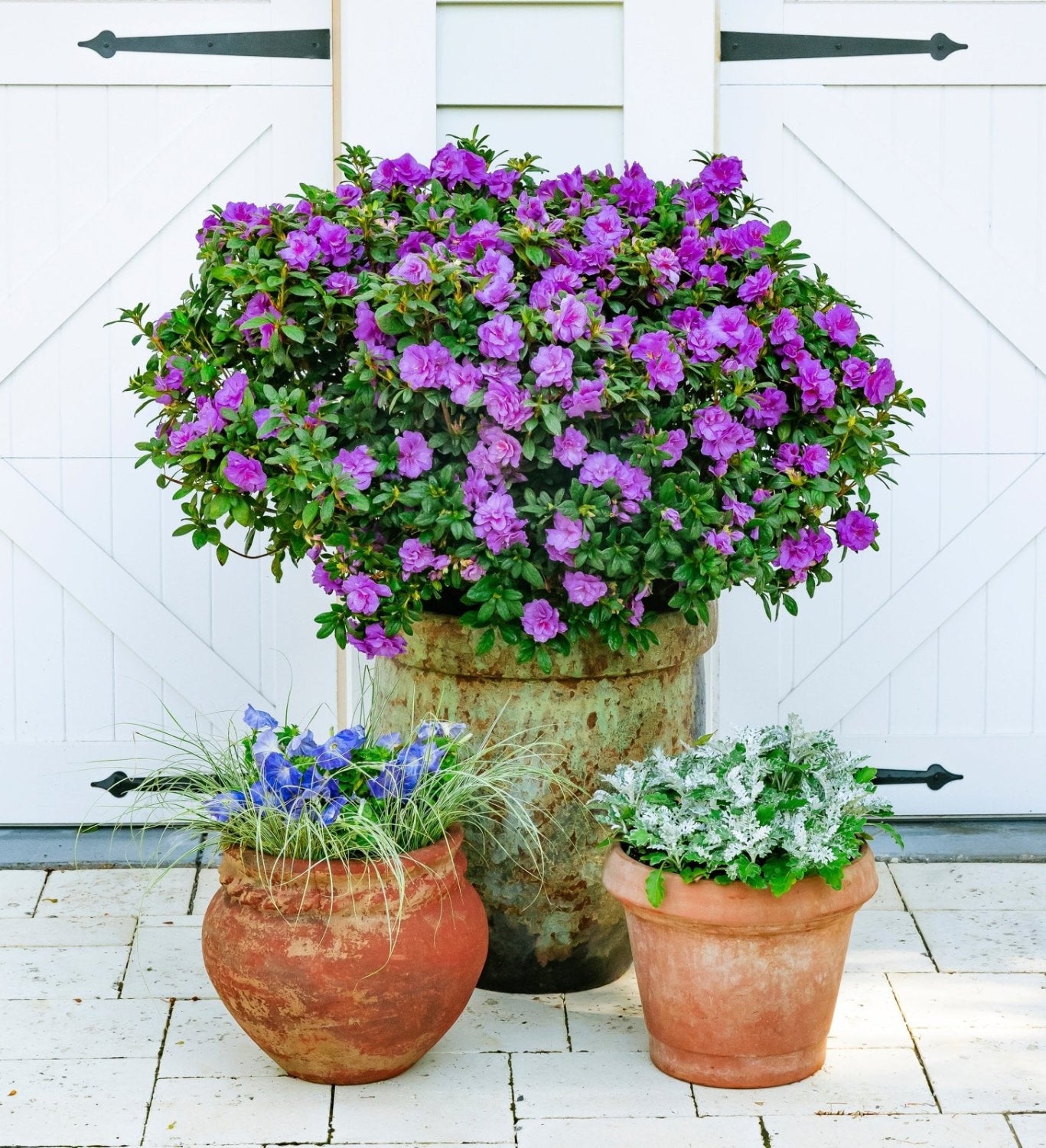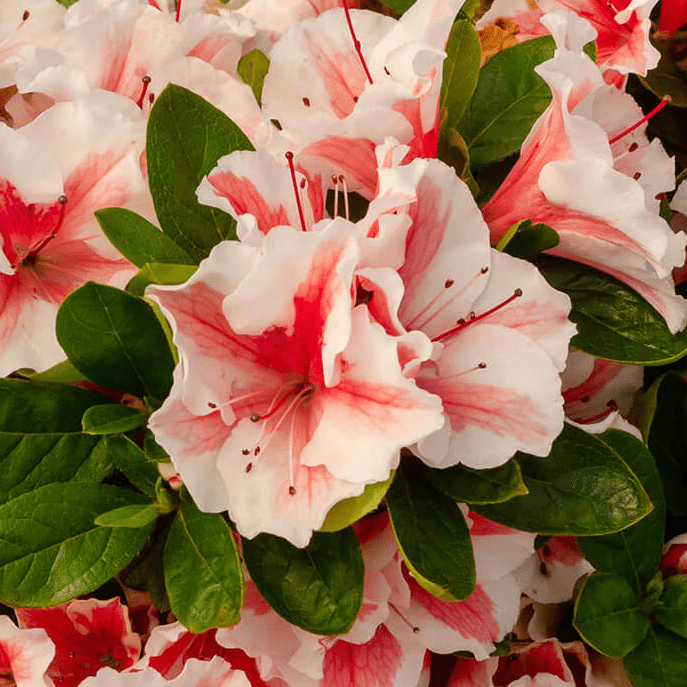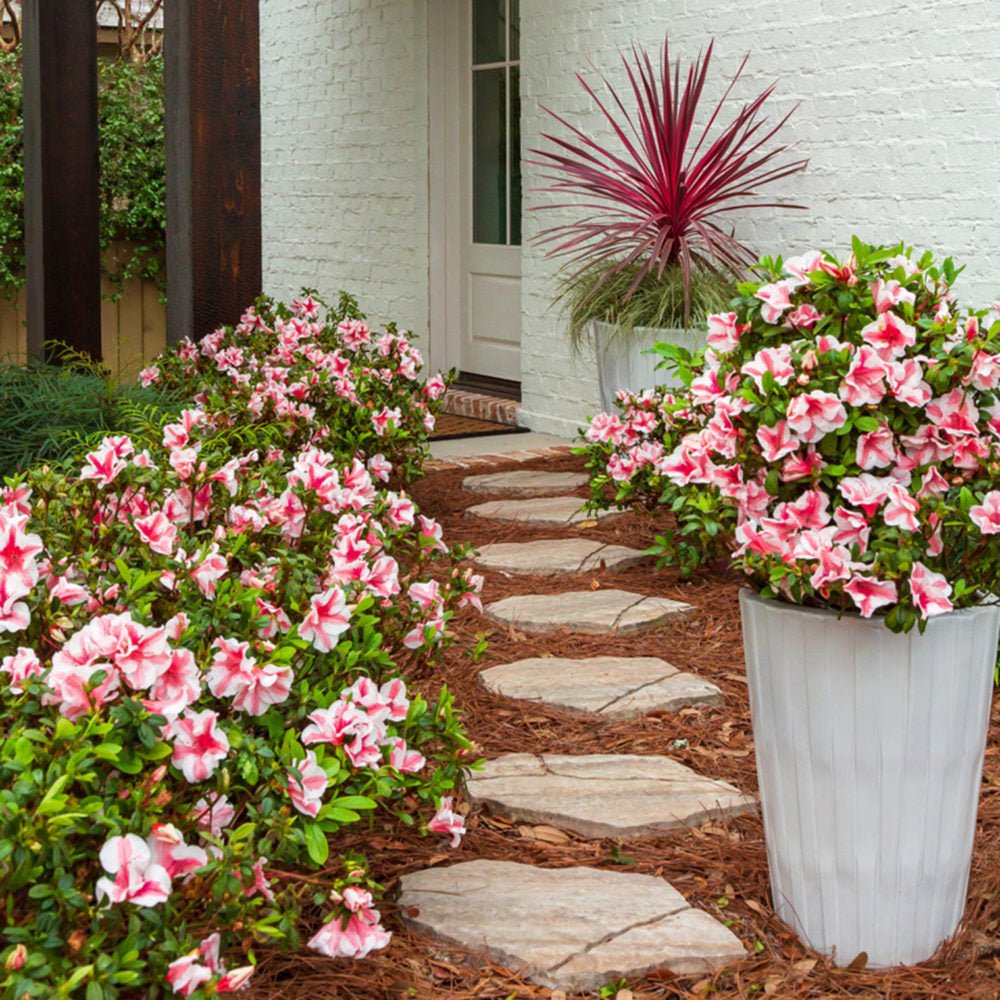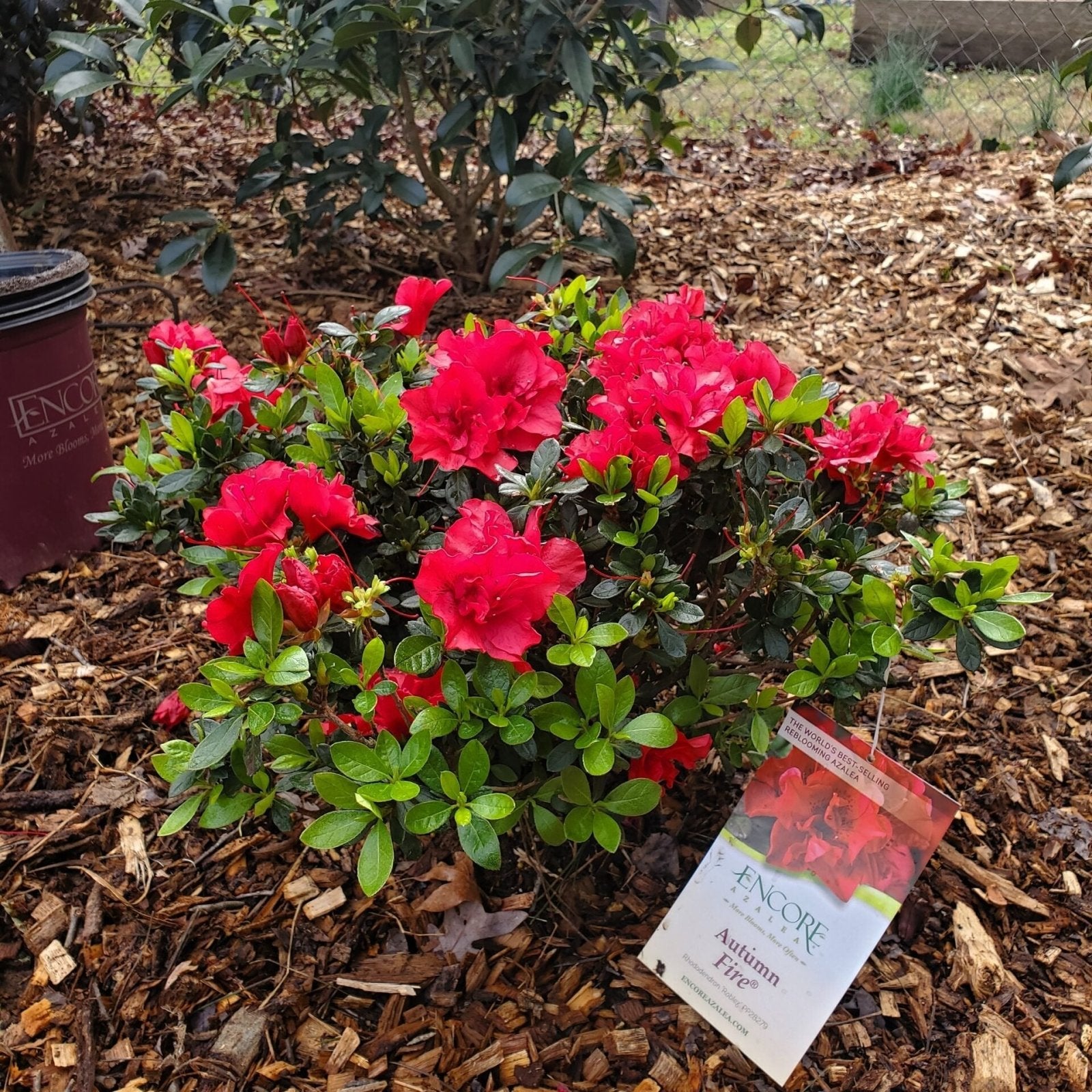
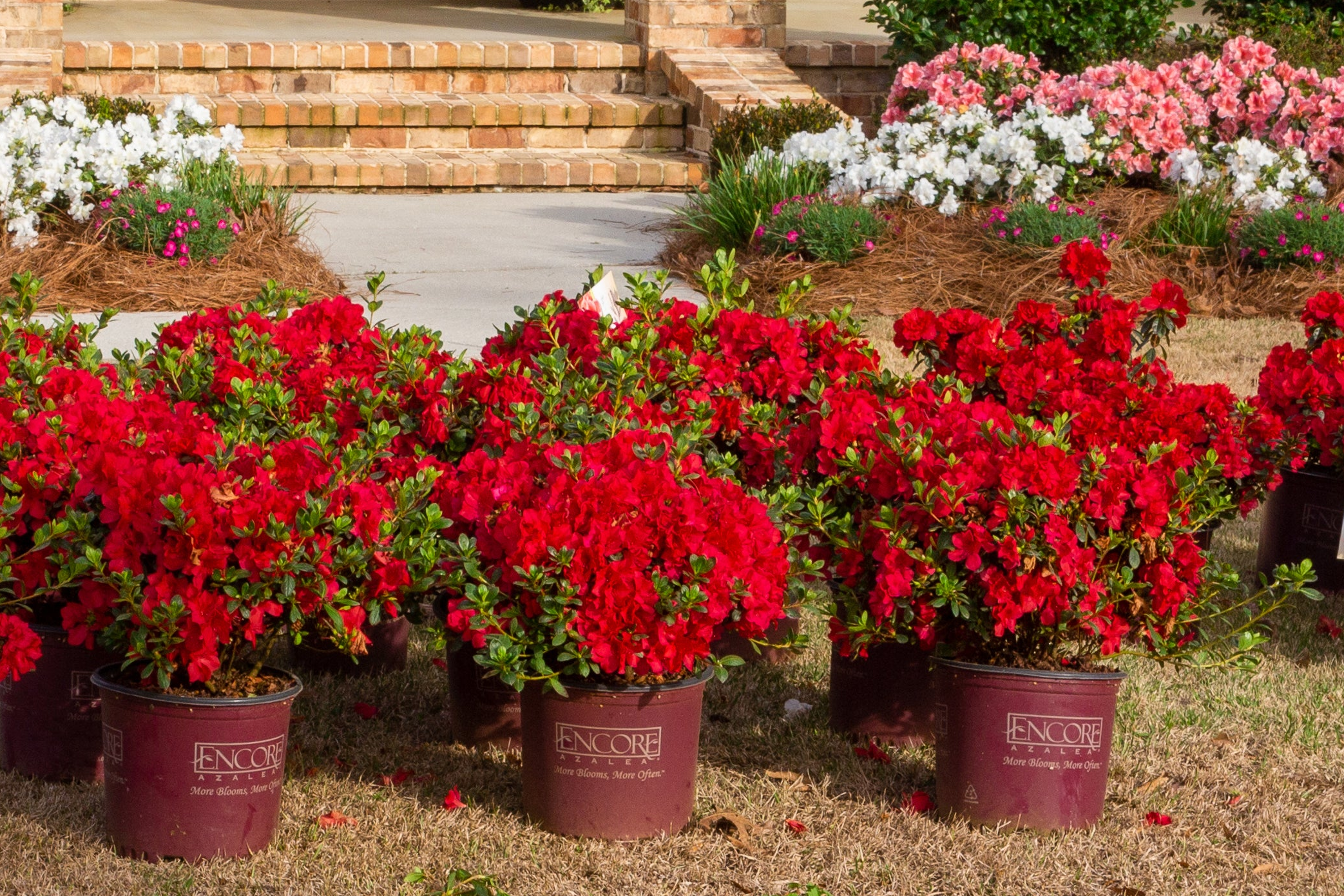
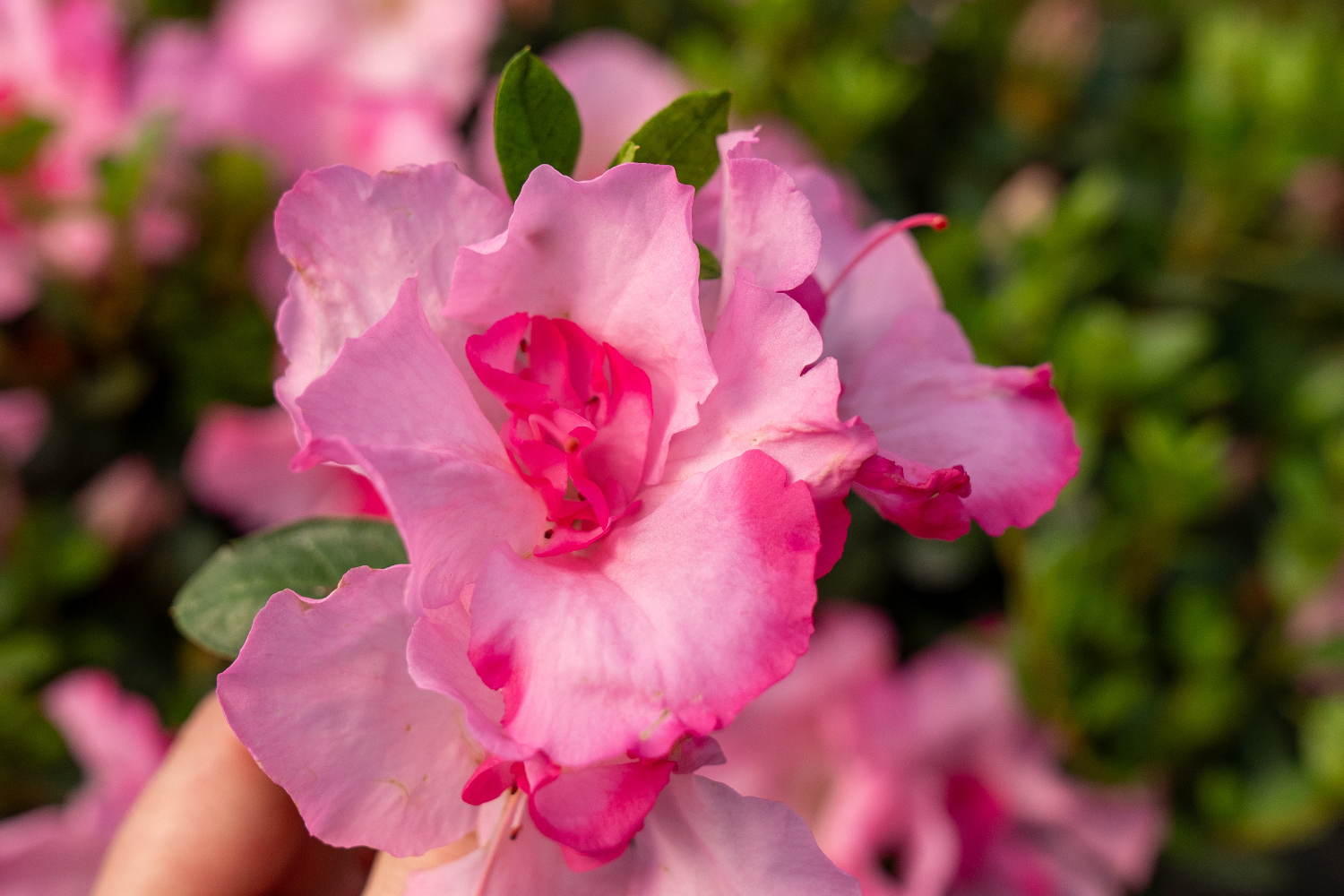
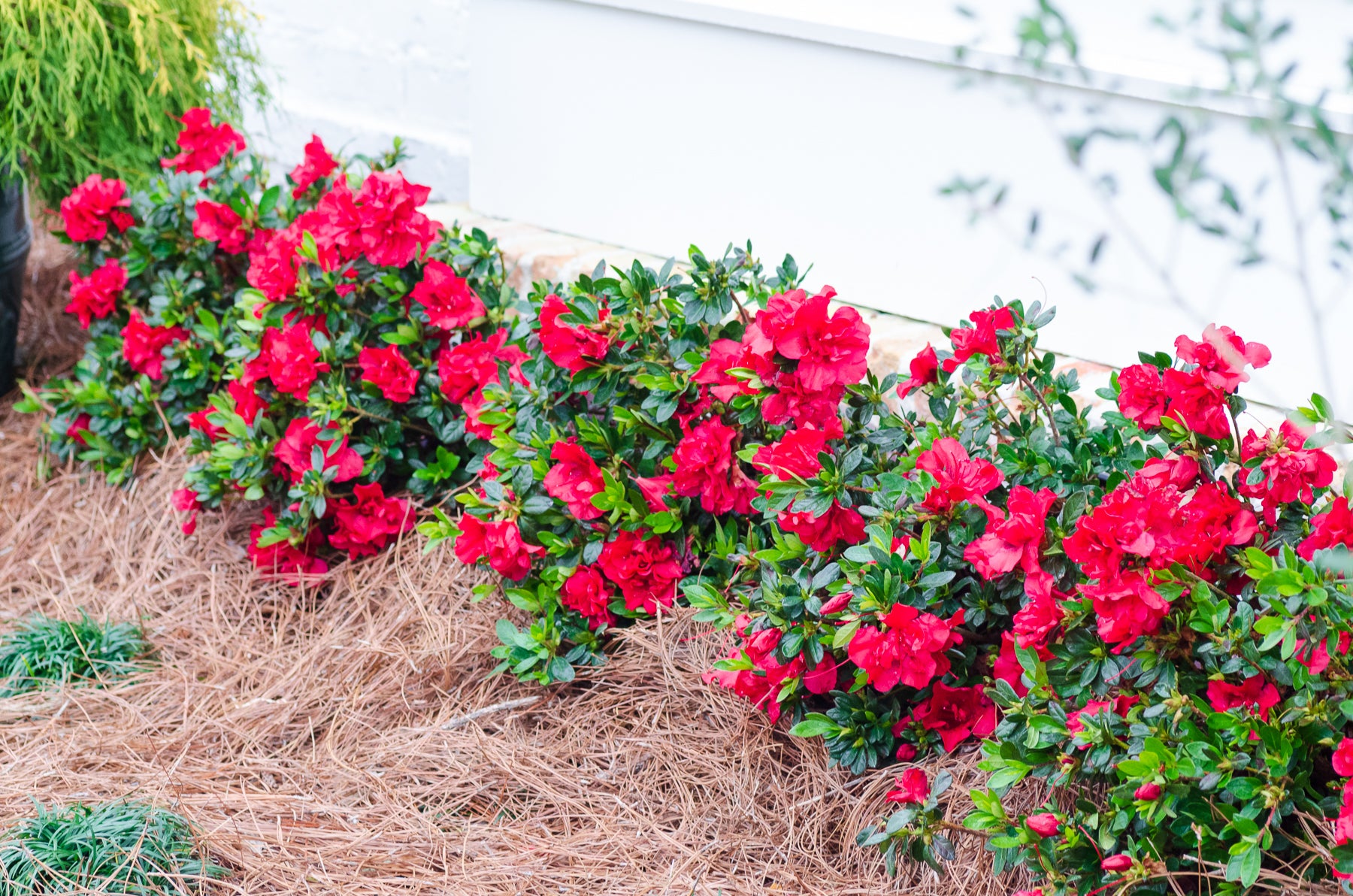
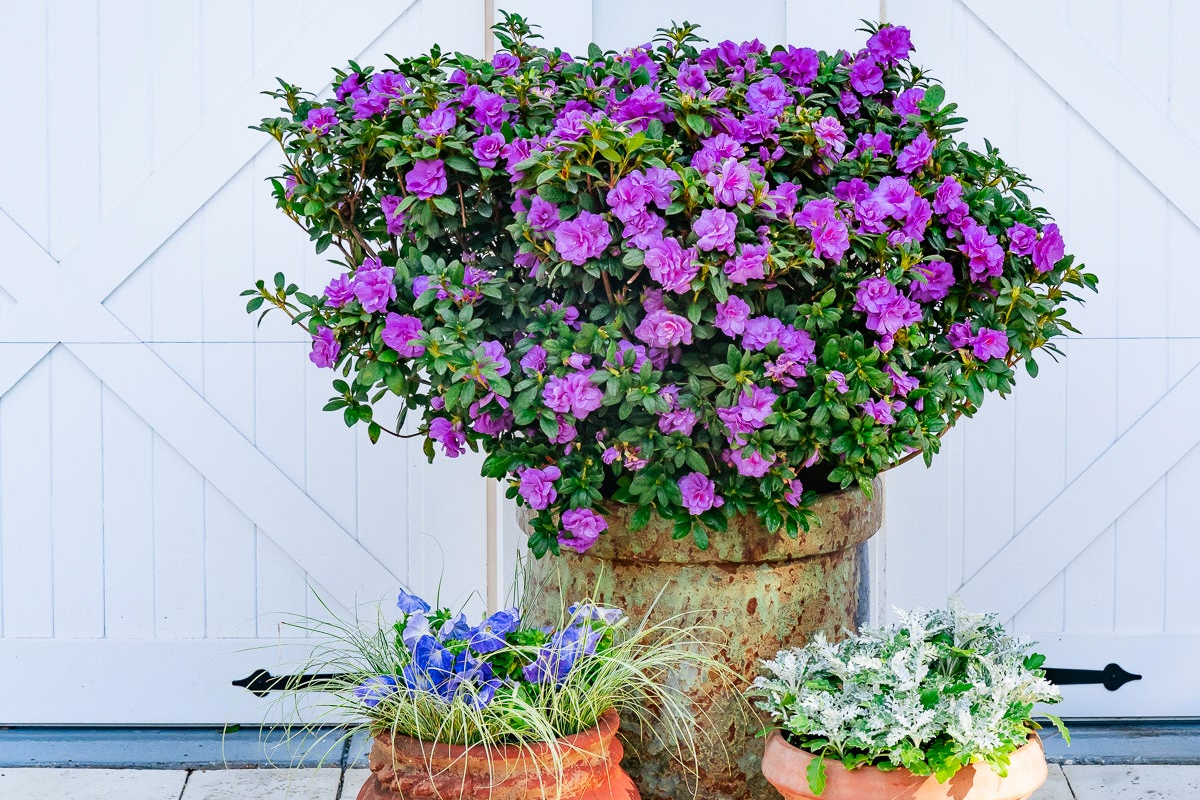
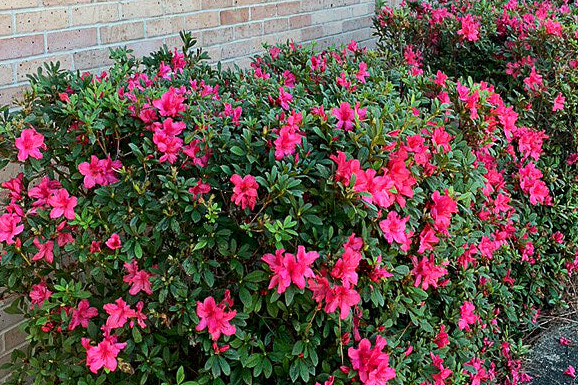
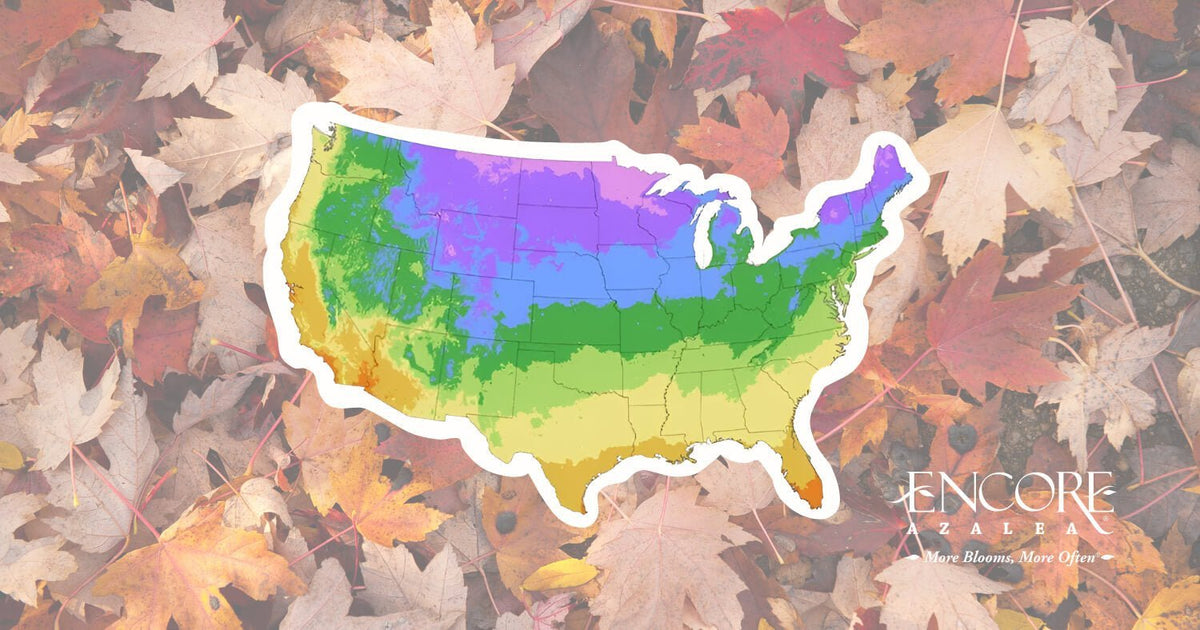
Wondering when to plant azaleas? In many climates, fall is one of the best times to plant azaleas because cooler air reduces stress on new shrubs while the soil often remains warm enough for root growth. The right timing depends on where you garden: plant earlier in colder regions so roots can begin establishing before the ground freezes, and wait until lingering summer heat eases in warmer regions.
This azalea planting guide provides general fall planting windows for Encore Azaleas in USDA Zones 6a through 10b, plus practical advice on location, planting, watering, mulch, frost protection, fertilizing, pruning, and transplanting. Treat the suggested windows as starting points. Your local temperatures, rainfall, soil drainage, first hard freezes, and site conditions should determine the final planting date.
Why Fall Is One of the Best Times to Plant Azaleas
Summer heat can make a newly planted shrub lose moisture faster than its limited root system can replace it. As temperatures moderate in fall, moisture generally evaporates more slowly, making it easier to keep the root ball and surrounding soil consistently moist.
Soil also cools more slowly than the air. Roots can continue growing into the surrounding soil after top growth slows, giving an Encore Azalea time to begin establishing before the next period of extreme weather. In colder areas, however, planting too late may leave too little time before the soil freezes. In warmer areas, planting too early can expose the shrub to unnecessary heat and drought stress. As a general rule, the ideal window for planting azaleas in fall moves later as you travel south.
When Do Encore Azaleas Bloom?
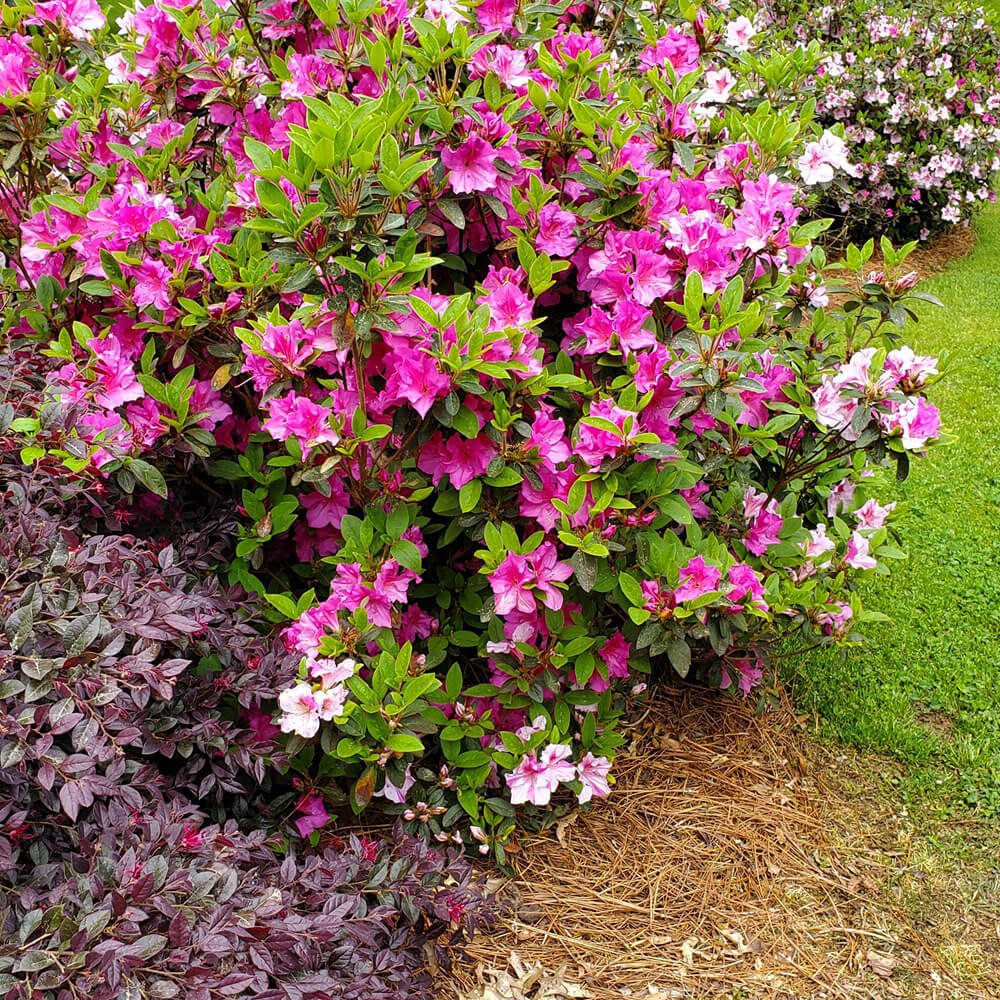
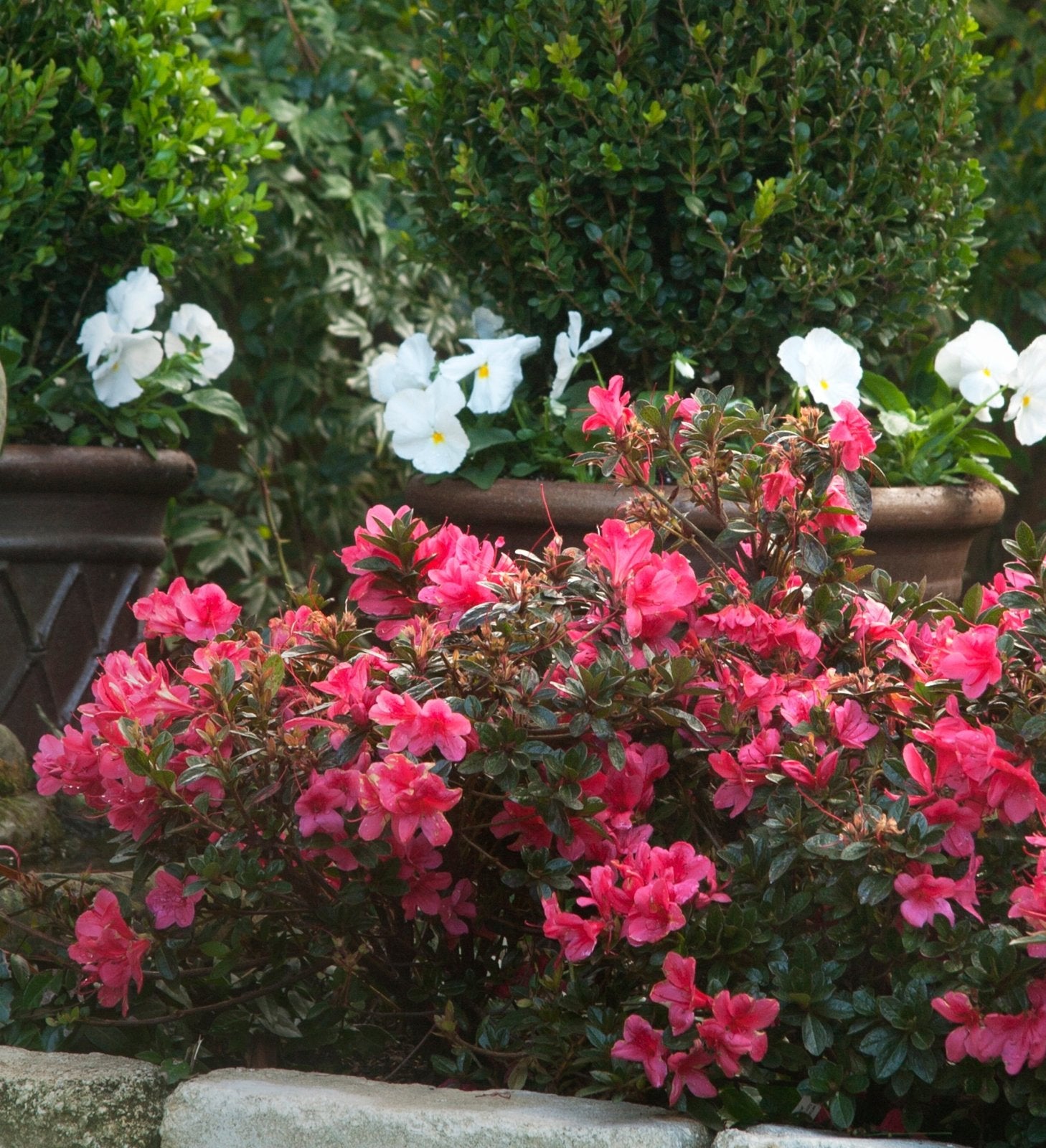
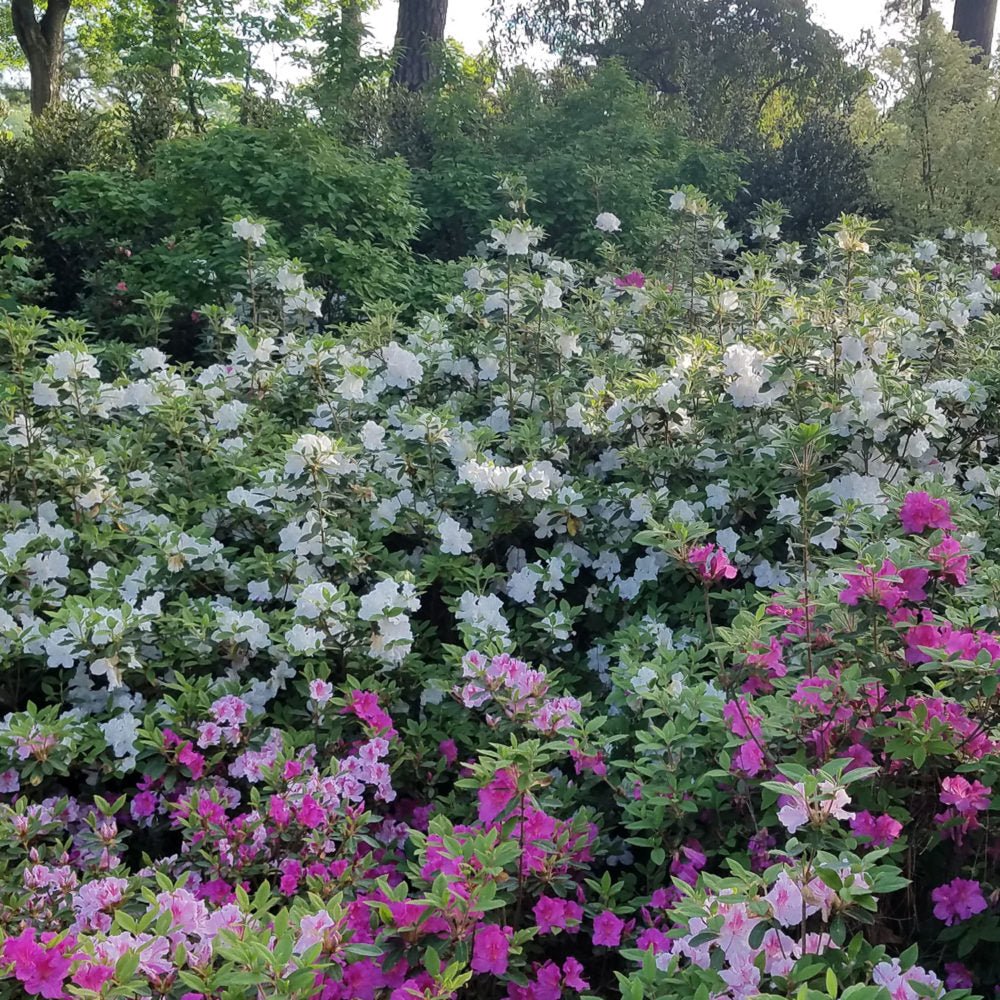
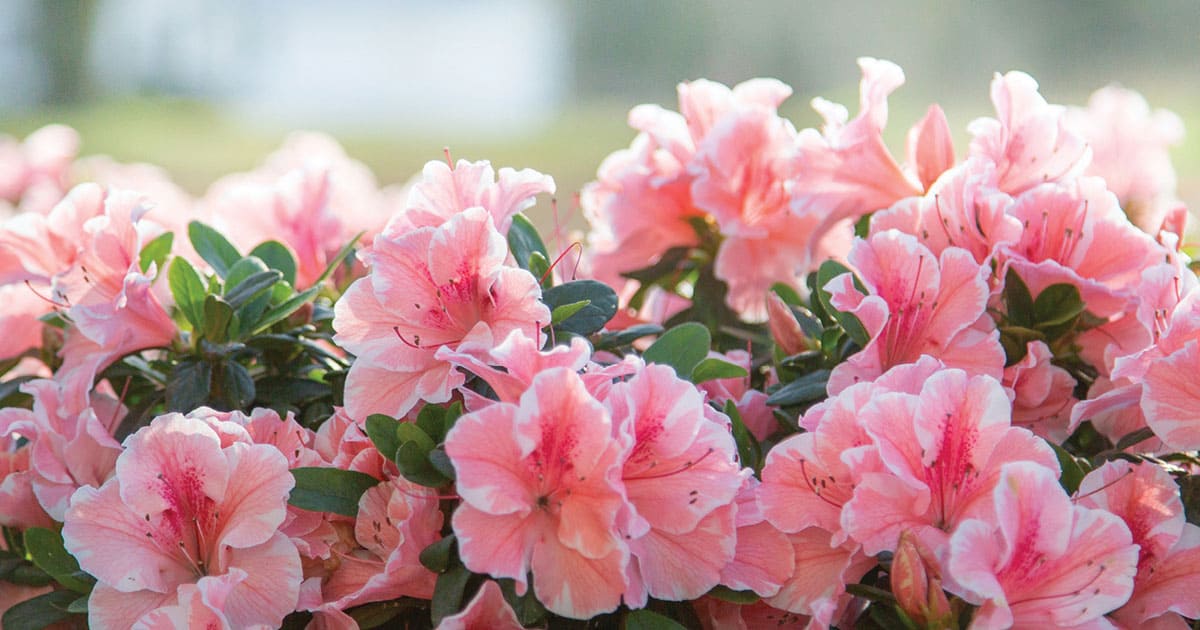
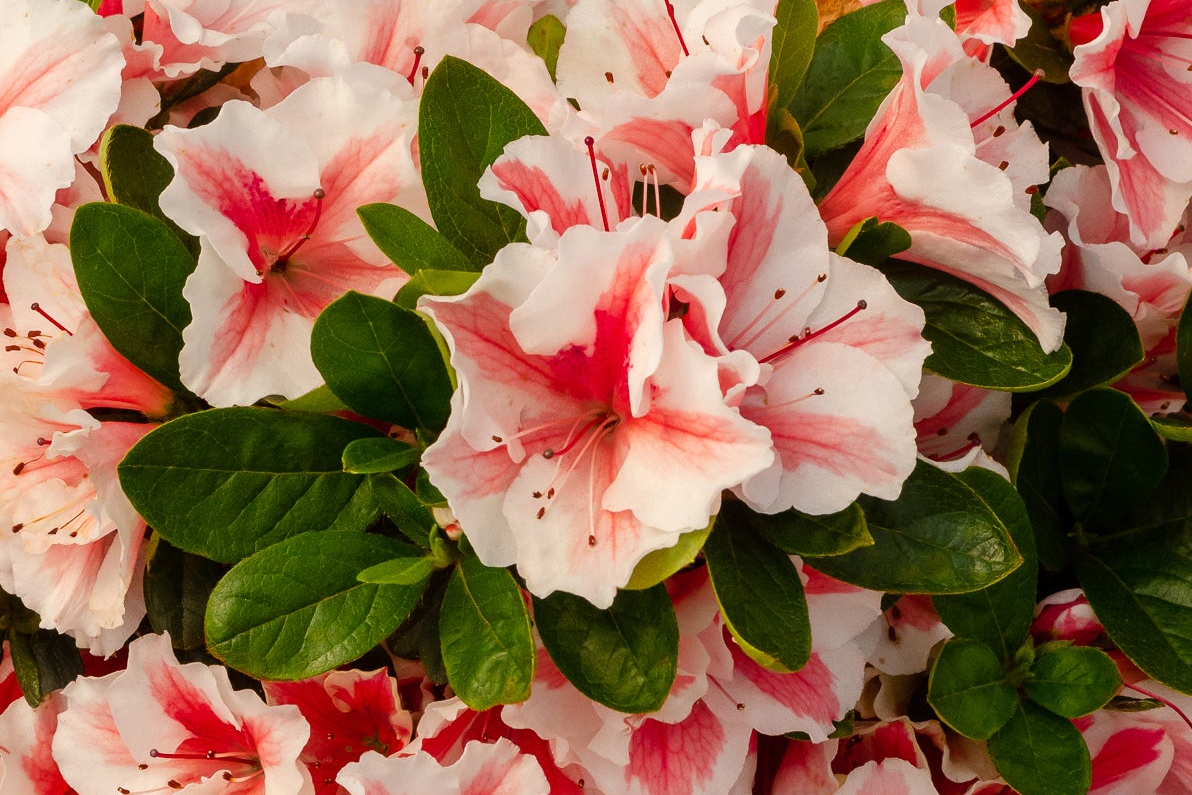
Encore Azaleas are reblooming azaleas selected to flower in multiple seasons. They typically produce a substantial spring display, followed by new growth and additional blooms from summer into fall. The exact azalea bloom time varies by variety, region, and weather, and fall flowering may continue until frost ends the season.
After flowering slows, the plant shifts more energy below ground. That makes fall root establishment especially valuable. Encore Azaleas are also evergreen, so their foliage continues to provide structure through winter. Depending on the variety and climate, some leaves may develop maroon, bronze, purple, or copper tones in cold weather.
This extended flowering habit reflects the breeding work of Encore Azalea inventor Robert E. “Buddy” Lee, who combined desirable characteristics of traditional spring-flowering azaleas with summer-blooming genetics.
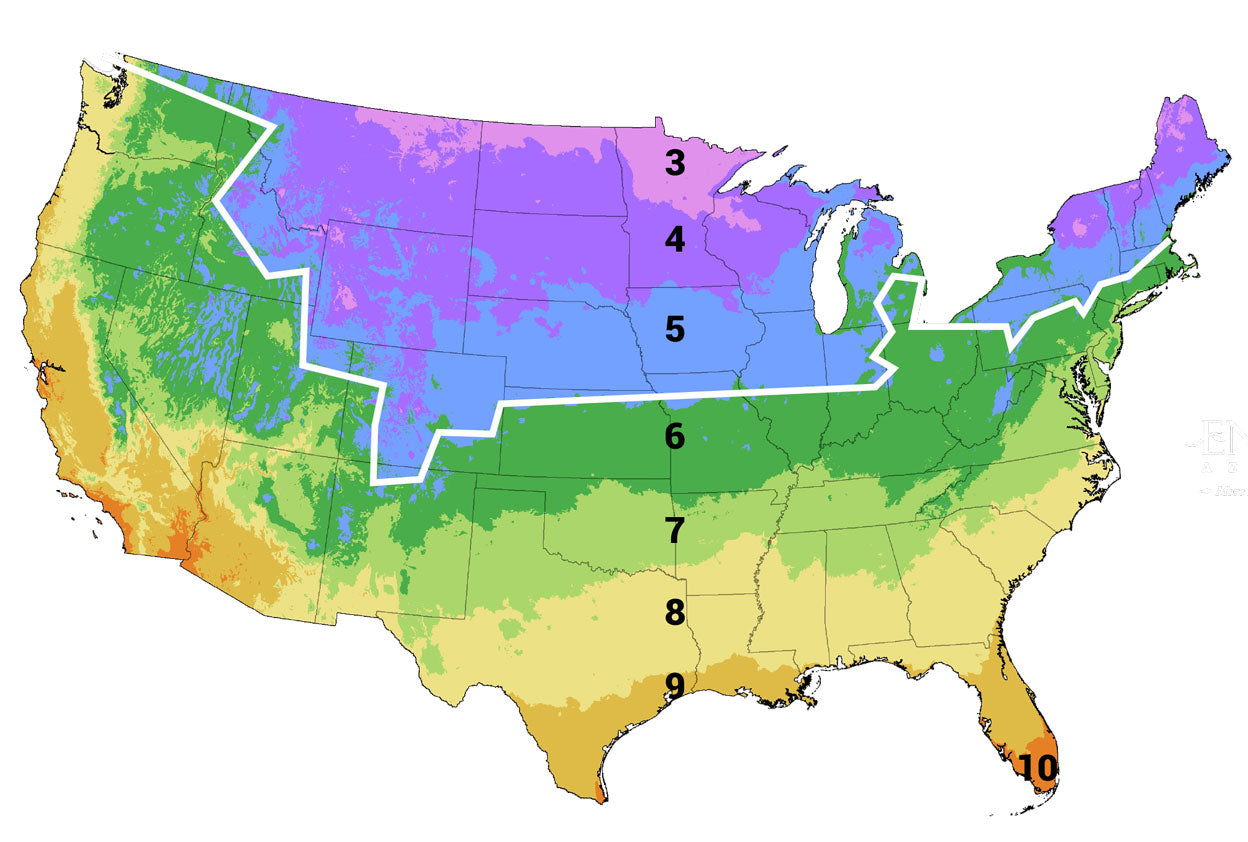
A Zone-by-Zone Guide to Planting Azaleas in Fall
Use the following windows as general guidance and adjust them to current conditions. Do not plant when the soil is frozen, saturated, or too dry to prepare properly.
Zone 6: Late Summer Through Early Fall
The fall planting window is shortest in Zone 6. Late August through September is a useful starting point in many locations, while gardeners with a long, mild fall may be able to plant into early October. Ideally, give the shrub about four to six weeks to begin rooting before the ground typically freezes for an extended period.
If that window has passed or unusually cold weather is approaching, waiting until spring is often the safer choice. Be sure to select an Encore Azalea specifically rated for your part of Zone 6.
For the best results:
- Plant as early as practical within your local fall window.
- Consider both the first hard-freeze forecast and the typical soil-freeze date in your area.
- Water deeply after planting and whenever the root zone begins to dry.
- Apply 2 to 3 inches of organic mulch, keeping it several inches from the stems.
- Choose a site protected from harsh winter wind when possible.
- Cover young plants with breathable frost cloth during unusually severe cold.
Zones 7–8: Early to Late Fall
Zones 7 and 8 often provide an especially favorable period for fall azalea planting. Once persistent summer heat subsides, the soil may remain warm enough for root growth for weeks. September through November is a general starting range, but the best date depends on elevation, local weather, and how quickly the soil cools.
For the best results:
- Wait until the most intense summer heat has eased.
- Water thoroughly at planting and monitor moisture during warm, windy or dry periods.
- Select a well-drained site because cool, wet soil can stress azalea roots.
- Mulch the root zone without piling material against the stems.
- Continue watering during extended dry spells, even after the weather turns cool.
Zones 9–10: Mid-Fall Through Early Winter
In Zones 9 and 10, lingering heat and drought are often greater fall concerns than an early freeze. Planting while temperatures remain very high can make it difficult to keep a small root system evenly moist. Waiting until the weather becomes more moderate helps reduce transplant stress.
October through early winter is a reasonable starting range in many warm-climate locations, but current conditions should guide the decision. Gardeners in these zones usually have more flexibility because the soil remains workable longer.
For the best results:
- Wait until persistent summer heat has passed.
- Check soil moisture rather than watering on a fixed calendar.
- Keep the root zone evenly moist but never saturated.
- Watch for warm, dry spells that can continue well into fall.
- Favor morning sun and protection from the hottest afternoon exposure in very warm inland settings.
- Make sure water drains away after irrigation or heavy rain.
Not Sure What Your USDA Zone Is?
USDA Plant Hardiness Zones are based on an area’s average annual extreme minimum winter temperature. They help gardeners understand which plants are most likely to survive winter in their region. Knowing your zone makes it easier to choose Encore Azalea varieties suited to your climate and determine the best fall planting window for your local conditions.
Not sure what your zone is? Visit our USDA Zone page, click “Click to change your Zone,” enter your ZIP code, and press Enter. You’ll then see the Encore Azalea varieties suited to your area.
Want to explore another zone? Click “Click to change your Zone” again, or use the USDA Zones filter on the left side of the page to browse varieties by zone.

Image credit: U.S. Department of Agriculture
Choose the Right Location for Encore Azaleas
Good timing cannot compensate for a poor planting site. Encore Azaleas perform best where they receive:
- Four to six hours of direct sunlight or high filtered shade each day
- Morning sun when possible, especially in hot climates
- Well-drained, acidic soil
- Enough space for the selected variety's mature height and width
- Convenient access to water during establishment
Check drainage before planting. Water should move through the soil rather than collect around the root zone after rain. If you are uncertain about soil pH or fertility, test the soil before adding amendments. The Encore Azalea soil-amendment guide explains how soil conditions influence plant health.

How to Plant Azaleas in Fall
Correct planting depth and drainage matter as much as the season. Follow these steps when planting a container-grown Encore Azalea:
- Water the shrub before planting. A hydrated root ball is easier to remove from the container and less likely to dry during the process.
- Dig a wide, shallow hole. Make the hole about twice as wide as the root ball but no deeper than the root ball itself.
- Loosen the roots. Remove the container and gently loosen circling roots around the outside of the root ball.
- Set the plant slightly high. Position the top of the root ball 1 to 2 inches above the surrounding grade to allow for settling and improve drainage.
- Backfill carefully. Refill the hole with soil, firming it gently enough to remove large air pockets without compacting it heavily. Do not bury the base of the stems.
- Water deeply. Thoroughly moisten the root ball and surrounding soil immediately after planting.
- Add mulch. Spread a 2- to 3-inch layer over the root zone, leaving several inches of open space around the stems.
How Often to Water Azaleas After Fall Planting
A newly planted azalea needs consistent moisture while its roots grow beyond the original root ball. Water deeply immediately after planting, then check the soil near the root ball several inches below the surface. If it is beginning to dry, water thoroughly. If it remains noticeably moist, wait and check again later.
When rainfall is insufficient, a new Encore Azalea may need deep watering about twice a week during its first year. That is a starting point, not a rigid schedule. Temperature, rainfall, wind, soil type, sun exposure, and drainage all affect how often to water azaleas. Cool fall weather may reduce water use, while an unseasonably warm or windy week may increase it.
Aim for evenly moist soil, not constant saturation. Frequent shallow sprinkling wets the surface but may not reach the full root zone. Continue monitoring moisture through fall and during winter dry spells whenever the soil is not frozen.
What Is the Best Mulch for Azaleas?
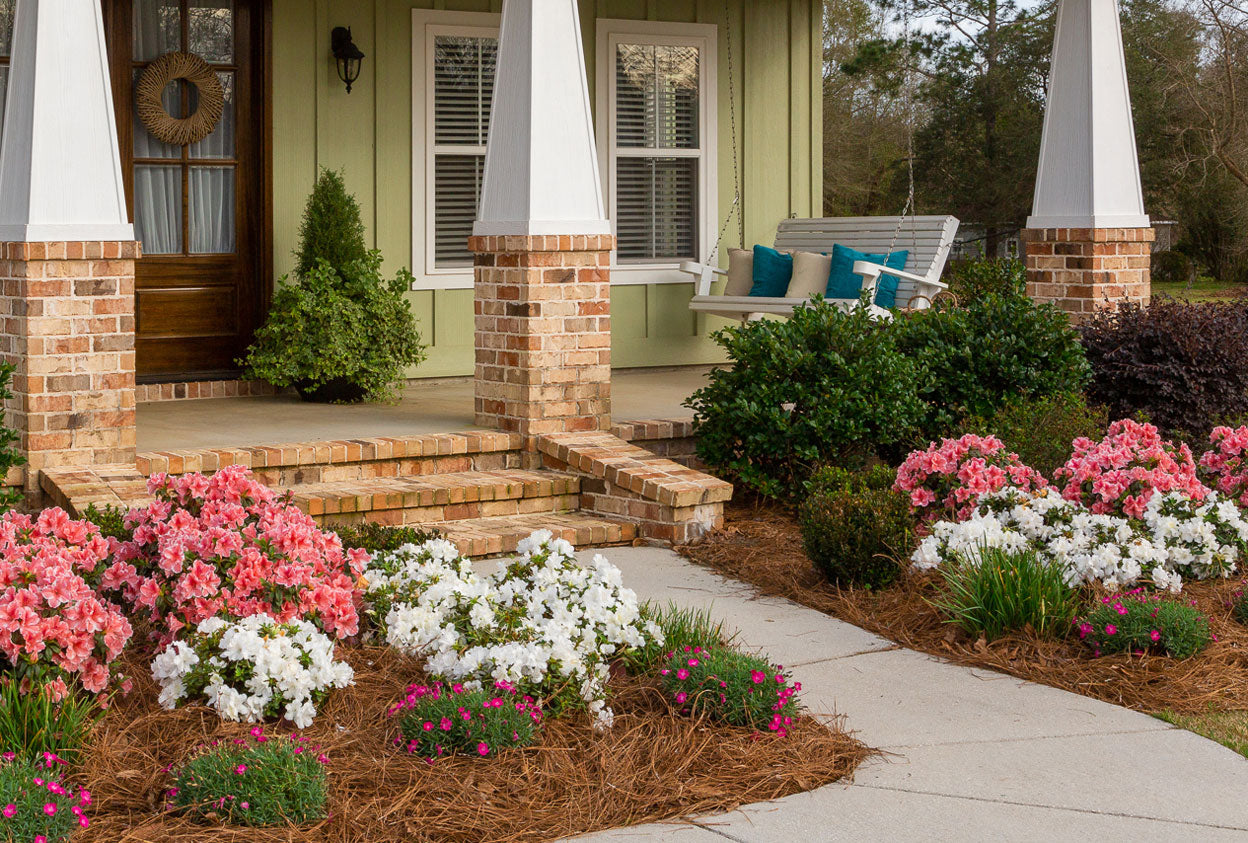
Organic materials such as pine bark, pine straw, or shredded bark make useful mulch for azaleas. A 2- to 3-inch layer helps slow moisture loss, moderate soil-temperature changes, and limit weed competition while roots establish.
Spread the mulch in a broad, even layer over the root zone. Leave several inches of bare space around the stems so the base of the plant stays exposed to air. Avoid creating a mulch mound against the shrub. In cold climates, mulch helps buffer soil-temperature swings, but it does not replace planting early enough for roots to begin establishing.
What If Frost Arrives After Planting?
A light frost after planting does not automatically mean an Encore Azalea is in trouble. It may end fall flowering or affect tender new growth while the soil and roots remain unfrozen. A hard freeze and prolonged frozen soil create different challenges, particularly for a shrub planted late in a cold region.
In Zone 6, early planting gives roots more time before sustained freezing weather. In Zones 7 and 8, the soil often remains workable after the first light frost. In Zones 9 and 10, lingering heat or drought is usually a larger establishment concern, although unusual freezes and cold microclimates can occur.
If severe cold is forecast for a young plant, make sure the soil is moist but not saturated, check the mulch layer, and cover the shrub with breathable frost cloth that reaches the ground. Remove the cover after temperatures moderate. Do not allow plastic to rest directly on the foliage.

Should You Fertilize Encore Azaleas in Fall?
Focus on root establishment after fall planting rather than stimulating tender new leaves. Encore Azalea recommends not fertilizing after August 1. Late feeding can encourage growth that may not harden before cold weather arrives.
Wait until after the last spring frost. The preferred time to feed established Encore Azaleas is shortly after their spring bloom, using a balanced, slow-release fertilizer labeled for azaleas or camellias and following the package directions. Avoid heavy applications because azaleas are sensitive to overfertilization. See the Encore Azalea fertilizing guide for details.
Should You Prune or Cut Back Azaleas in Fall?
Fall is not the best time for routine azalea pruning. By then, Encore Azaleas have formed many of the buds that will produce the next spring display, so fall pruning can remove future flowers. It can also stimulate tender growth shortly before cold weather.
If you are deciding when to cut back azaleas, save routine shaping for immediately after the main spring bloom. At fall planting time, remove only branches that are broken, damaged, or clearly dead. A newly planted shrub needs its foliage and stored energy to support establishment, so avoid hard pruning unless damage makes it necessary.
When to Transplant Azaleas
The best time to transplant azaleas depends on whether you are planting a nursery-grown shrub or relocating an established plant. A container-grown Encore Azalea can be installed during the recommended fall window for your zone because its roots remain together in the existing root ball.
Transplanting an established azalea causes more root disturbance. Fall can still be an excellent time to move it after summer heat subsides and while the soil remains warm and workable. In Zone 6, transplant early enough to allow several weeks before the ground typically freezes; if that window has passed, early spring may be safer. In Zones 7 through 10, fall often provides a longer transplanting period once hot weather ends.
When moving an established azalea:
- Water it thoroughly the day before digging.
- Prepare the new planting hole before lifting the shrub.
- Dig widely and preserve as much of the root ball as possible.
- Move and replant it promptly so exposed roots do not dry out.
- Set the root ball slightly above the surrounding soil rather than planting it too deeply.
- Water deeply, apply mulch correctly, and monitor moisture while the plant recovers.
- Avoid heavy fertilization and major pruning immediately after the move.
Give Your Encore Azaleas a Strong Start This Fall
Successful fall planting begins with matching the timing to your climate. In Zone 6, plant early so roots have time to begin establishing before prolonged freezing weather. In Zones 7 and 8, take advantage of the long period between summer heat and winter cold. In Zones 9 and 10, wait until persistent heat eases and continue watching for dry weather.
Choose an Encore Azalea rated for your USDA Zone, place it in well-drained acidic soil with suitable sunlight, and support it with deep watering and properly applied mulch. Those fundamentals give your shrub a strong start and help prepare it for the spring, summer, and fall blooms ahead.
Explore Encore Azaleas by USDA Zone or find a retailer near you to choose the right variety for your landscape.