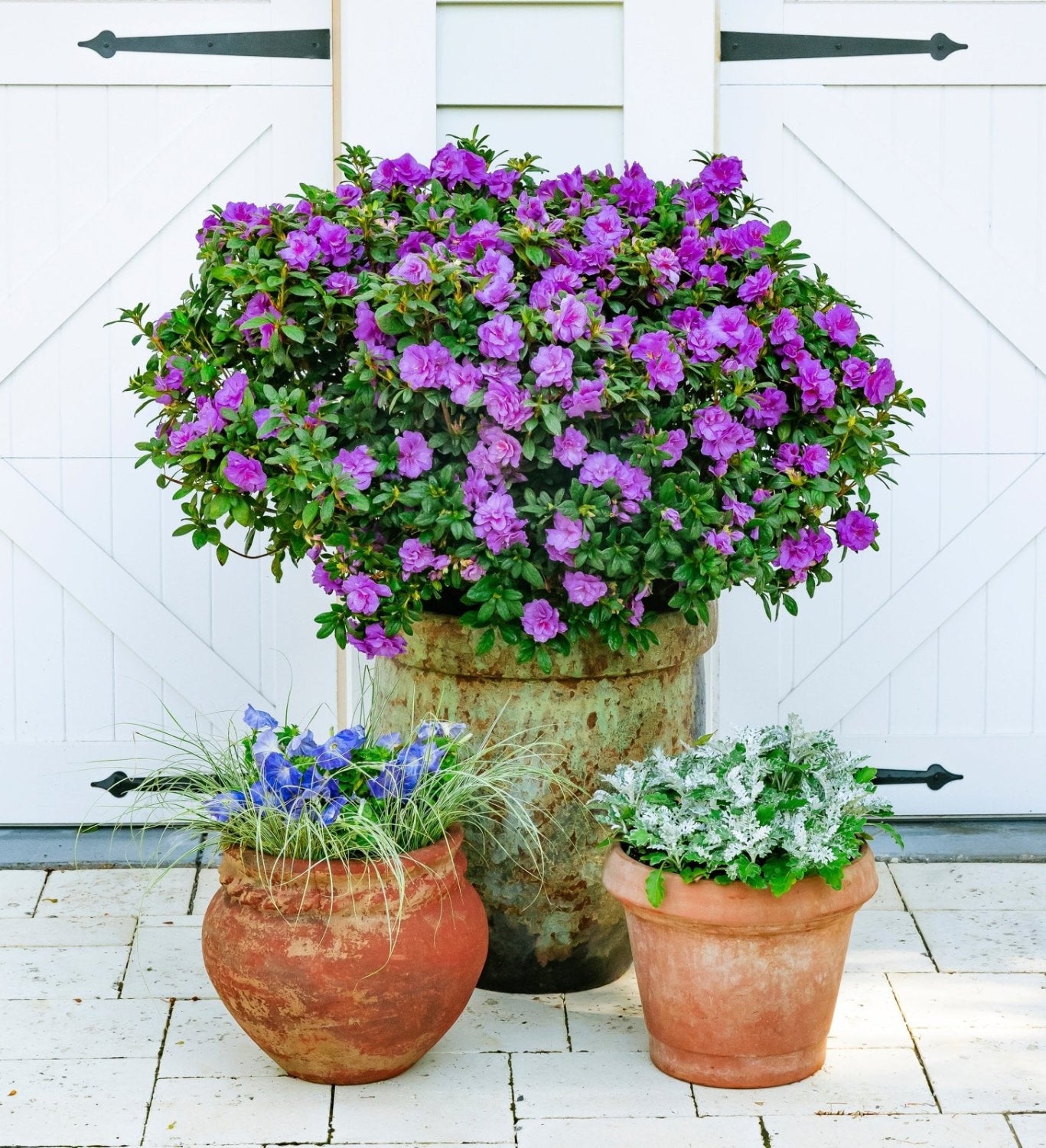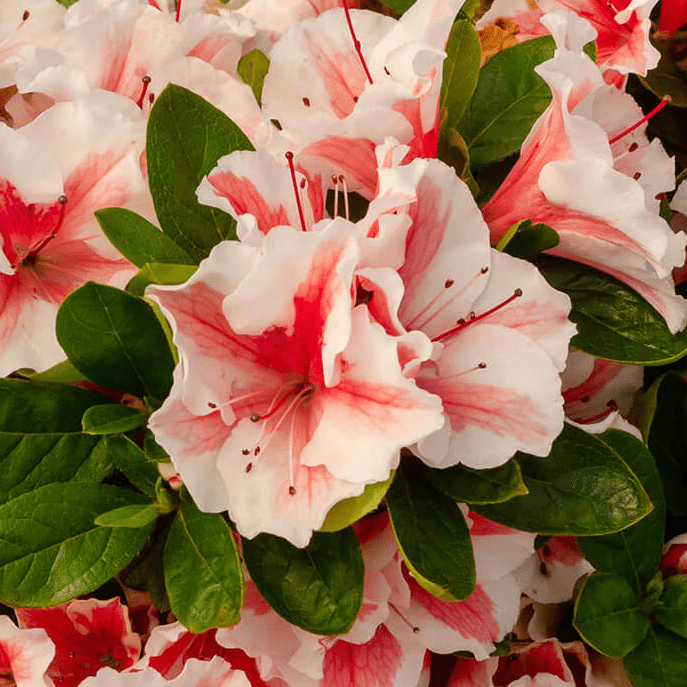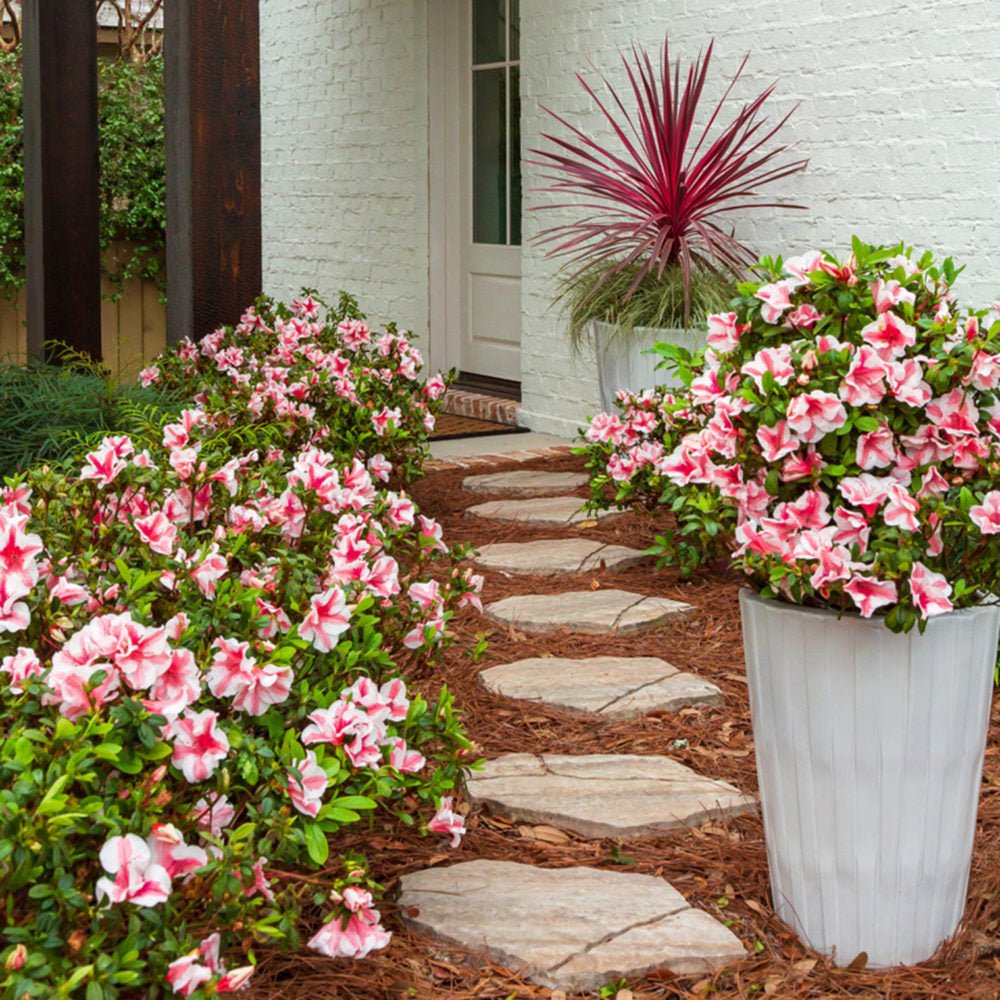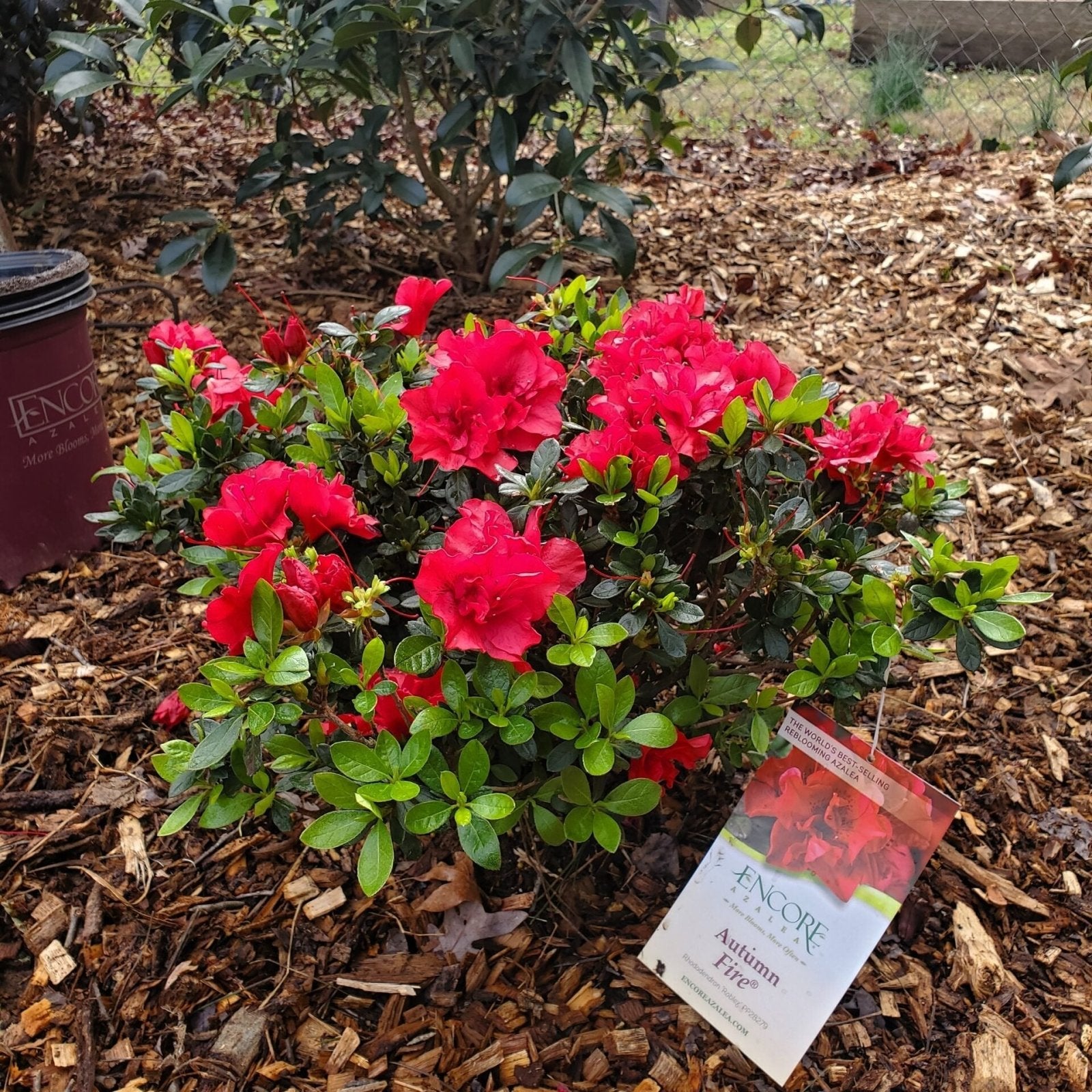
Choosing the right azalea starts with one essential question: Does it suit your climate? The Encore Azalea collection currently includes 36 evergreen, reblooming varieties, with individual hardiness ratings spanning USDA Zones 6a through 10b. Because each cultivar has its own recommended range, not every Encore Azalea is appropriate for every zone within that span.
Gardeners in Zone 6 need to select from the collection's most cold-hardy varieties, while those in Zones 7 through 10 can choose from a broader selection. Hardiness is only the first part of a successful match, however. Sunlight, soil pH, drainage, moisture, and conditions within your individual landscape also influence how well an azalea grows and blooms.
This guide explains how azalea zones work, how to read a plant's hardiness rating, and how to choose the right Encore Azalea for your region.

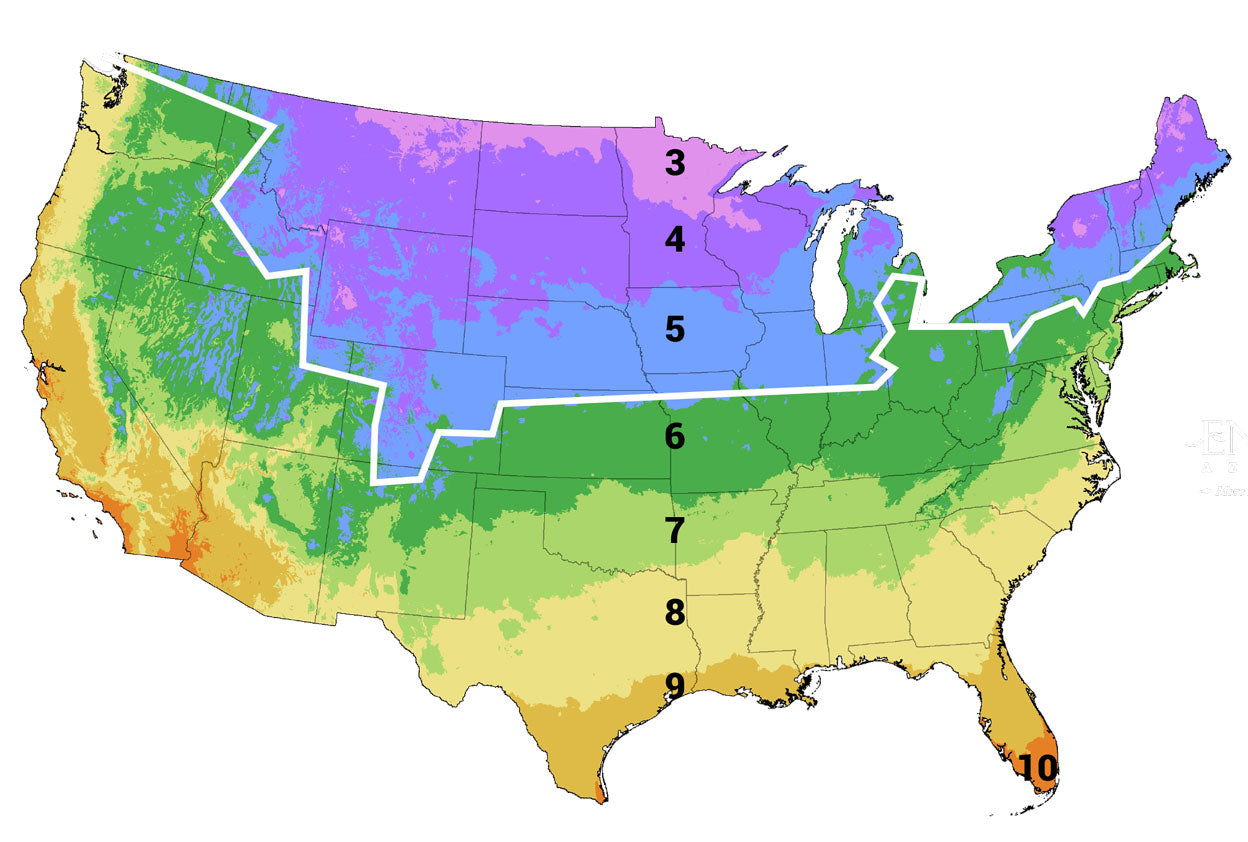
Image credit: U.S. Department of Agriculture
What Are Hardiness Zones, and Why Do They Matter?
The USDA Plant Hardiness Zone Map divides the United States and Puerto Rico into 13 zones based on the average annual extreme minimum winter temperature recorded over 30 years. Each full zone represents a 10-degree Fahrenheit range and is divided into two 5-degree half zones. The "a" half is colder than the "b" half. For example, Zone 7a covers 0 to 5 degrees Fahrenheit, while Zone 7b covers 5 to 10 degrees Fahrenheit.
Hardiness zones are a useful starting point for determining whether a perennial plant is likely to tolerate the typical winter lows in a location. They do not predict the lowest temperature that will occur in any particular year, nor do they account for summer heat, rainfall, humidity, soil drainage, wind, or the microclimates within an individual yard.
Use the USDA's current Plant Hardiness Zone Map to find your zone by ZIP code. Be sure to note both the number and the "a" or "b" designation before comparing it with the range on an Encore Azalea label or product page.
What Zones Do Encore Azaleas Grow In?
Encore Azalea varieties are available for USDA Zones 6a through 10b. The chart below shows the average annual extreme minimum winter temperature associated with each zone in that range.
Encore Azalea Zone Chart
| USDA Zone | Average annual extreme minimum winter temperature |
|---|---|
| 6a | -10 to -5°F |
| 6b | -5 to 0°F |
| 7a | 0 to 5°F |
| 7b | 5 to 10°F |
| 8a | 10 to 15°F |
| 8b | 15 to 20°F |
| 9a | 20 to 25°F |
| 9b | 25 to 30°F |
| 10a | 30 to 35°F |
| 10b | 35 to 40°F |
These temperatures describe long-term winter averages, not the point at which every plant will be damaged. An unusually severe cold event can fall below the average for your zone, which is one reason variety selection and proper care still matter.
Reading the plant label correctly is straightforward: your exact zone must fall within the listed range. A Zone 6a gardener should choose a variety rated for zones 6a through 10b. A variety rated for Zones 6b through 10b is not recommended for Zone 6a, even though both locations are in Zone 6. By contrast, a gardener in Zone 7a may choose a variety rated for 6a through 10b, 6b through 10b, or 7a through 10b because all three ranges include Zone 7a.
You can browse the Encore Azalea collection by USDA Zone to easily narrow your options before comparing flower color, mature size, and landscape use.
Choosing Encore Azaleas for Your Region
Once you understand the label, consider the challenges associated with your part of the growing range. Cold hardiness and winter exposure matter most near the northern limit, while heat, intense sunlight, and moisture management become increasingly important farther south.
Cold-Hardy Azaleas for Zone 6
Zone 6 is the coldest part of the recommended Encore Azalea range, so choosing the right cultivar is especially important. Gardeners in Zone 6a need an azalea specifically rated for 6a. Those in Zone 6b may select varieties rated for either 6a or 6b.
Varieties currently rated for Zone 6a include:
Encore Azaleas in Zones 7 and 8
Moving south into Zones 7 and 8 opens the door to the broadest selection. All 36 current Encore Azalea varieties are rated for Zones 7a through 10b. Local conditions still matter, so the best cultivar and planting site will depend on more than the zone number.
In Zone 7, newly planted azaleas may benefit from extra attention during their first winter, especially during dry weather or an unusually hard freeze. In Zone 8, winter cold is typically less limiting, while prolonged summer heat and reflected heat from walls, pavement, and driveways deserve closer attention.
Spring and fall generally offer more moderate planting conditions than the peak of summer. When planting in fall, wait until persistent summer heat has eased and allow enough time for roots to begin growing into the surrounding soil. Our fall azalea planting guide provides more detailed timing and establishment guidance by zone.
Encore Azaleas in Texas and Other Warm-Climate Gardens
Texas spans several USDA zones, so gardeners should check their exact location before selecting a variety. Many parts of the state fall within the Encore Azalea growing range, but the map alone cannot account for local soil, irrigation water, heat, or exposure.
In warmer parts of Texas and other Zone 9 and 10 landscapes, the main challenge often shifts from winter cold to managing intense heat and moisture. Morning sun with protection from the strongest afternoon exposure can help reduce stress, particularly in inland locations. New plants also require careful moisture monitoring during hot or dry weather.
Encore Azaleas prefer acidic soil, generally around pH 5.5 to 6.0. Where native soil or irrigation water is alkaline, test the soil before attempting to lower the pH. If the native soil is difficult to amend or drains poorly, a raised bed filled with appropriately acidic, well-drained soil may provide a more suitable root environment. A local Cooperative Extension office can help interpret a soil test and address regional soil or water challenges.

Where to Plant Azaleas for Healthy Growth and Repeat Blooms
Hardiness determines whether an azalea is suited to your winter climate. Its location within the landscape helps determine how well it grows and flowers. Encore Azaleas perform best with four to six hours of direct sunlight or high filtered shade each day. Morning sun is especially valuable because it supports flowering without exposing the plant to the most intense heat of the day.
Dense shade can reduce blooms and lead to thin, stretched growth. At the other extreme, strong afternoon sun near west-facing walls, sidewalks, and driveways can increase heat and moisture stress. The ideal exposure provides enough light for repeat flowering while offering appropriate protection for the local climate.
Healthy growth also begins below ground. Encore Azaleas prefer fertile, acidic soil with a pH of approximately 5.5 to 6.0. The soil should hold enough moisture to support the plant without remaining saturated. If water collects in the planting area after rain, improve the drainage before installing the shrub. The Encore Azalea soil-amendment guide can help you evaluate pH, organic matter, and drainage before planting.
Finally, leave enough room for the variety’s mature height and width and make sure water is easy to provide during the first year. These basic choices are central to Encore azalea care in every recommended zone.
Your USDA Zone Is Only Part of the Picture
Two gardens in the same USDA Zone can provide very different growing conditions. Summer heat, rainfall, drought, soil type, humidity, wind, elevation, and reflected heat can all influence performance even when winter minimum temperatures are similar.
Smaller variations within a landscape create microclimates. A protected courtyard may remain warmer than the surrounding neighborhood, while a low or exposed part of the yard may become colder. A west-facing wall can create intense afternoon heat, while a sheltered east-facing bed may offer gentler morning light.
Understanding these differences helps you select the best planting site, but a favorable microclimate should not be treated as permission to ignore a cultivar’s hardiness range. Start with a variety rated for your zone, then use site selection and care to help it perform at its best.
Can You Grow Encore Azaleas Outside Their Recommended Zones?
Planting outside a variety's labeled range increases the risk of cold or heat injury. Mulch, a protective covering, and a sheltered location may reduce exposure during a severe weather event, but they do not change the cultivar's inherent cold hardiness.
No current Encore Azalea variety is rated for in-ground landscape use in Zone 5 or colder, and the current ratings stop at Zone 10b. Gardeners outside this range should ask a knowledgeable local nursery or Cooperative Extension office whether their climate and site can support an Encore Azalea rather than assuming that temporary protection will make the plant reliably hardy.
Containers require separate consideration. Roots in aboveground pots are more exposed to temperature changes than roots insulated by the surrounding soil. Gardeners near the edge of a cultivar's recommended range may need to insulate the container, move it to a protected location, or use another locally appropriate overwintering method.
Winter Care for Encore Azaleas
Even within the recommended azalea zones, newly planted shrubs may need extra protection during unusual cold. Begin with adequate soil moisture because drought stress can make plants more vulnerable to cold injury. If fall rainfall is limited, water deeply as needed until the first hard freeze, then check the soil during winter dry spells and water when it is unfrozen and beginning to dry.
Maintain a layer of organic mulch over the root zone to help conserve moisture and moderate soil-temperature changes. Keep the mulch away from the main stems rather than piling it against the base of the plant.
When severe cold, ice, or heavy snow is forecast, place stakes around a young or recently transplanted azalea and drape them with burlap or another breathable plant cover. The stakes should keep the material from resting directly on the foliage, and the covering should extend to the ground to hold heat rising from the soil. Remove it after the severe weather passes. Do not place plastic directly against the plant.
Avoid late-season fertilization that encourages tender new growth before cold weather. For more detailed guidance, visit the Encore Azalea winter-care guide.
Find the Right Encore Azalea for Your Climate
Choosing the right plant is easier when you follow a clear order. First, find your complete USDA zone. Next, filter the Encore Azalea collection to varieties whose labeled range includes that zone. Then compare bloom color, mature size, and landscape use while evaluating your planting site for sunlight, acidic soil, drainage, and access to water.
A suitable hardiness rating gives you the right starting point. Pair it with thoughtful placement and consistent establishment care, and your Encore Azalea can provide evergreen structure and repeat blooms in spring, summer, and fall.
Explore Encore Azaleas by USDA Zone or find a retailer near you to get started.